
The State of the Fashion Industry - New York 2025
by: Phillip Wong
fotos: Phillip Wong
Verve Opinion – Industry
August 2025
Verve Fashion Magazine has been committed to the Art and Commerce of Fashion.
This is the first in a series of articles focusing on the Rise, the Fall, and the ReEmergence of Fashion, Art and Creativity in the Heart of America:
New York City
The State of the Fashion Industry
New York 2025

Challenges, Opportunities, and the Quest to Reclaim American Fashion Leadership
New York City, long celebrated as a fashion capital, stands at a crossroads in 2025. As the industry faces the relentless march of globalization, digital disruption, and shifting consumer values, American designers, production houses, educational institutions, and the myriad of industries, driving the industry, and riding the coattails of it, are grappling with the formidable challenge of staying relevant and competitive on a global stage.
The question of whether it is worthwhile for America to bring fashion production and design back to the United States is no longer rhetorical—it is urgent, nuanced, and deeply consequential.
The Pulse of New York’s Fashion Industry in 2025
Once synonymous with Seventh Avenue’s Garment District and the glamour of New York Fashion Week, New York’s fashion ecosystem has evolved into a complex tapestry. Major designers, headlining at NYFW, coexist with a burgeoning scene of independent brands, sustainable labels, and digital-first startups.
Fashion shows, and the photographs and videos generated from the shows, serve to create the “marketing” that brands need to reach a local, national, and global audience. But in media universe with shrinking universal reach, and social media platforms that give the “reach” potential to everyone, but each brand has to do it themselves, deserving brands have fallen by the wayside.

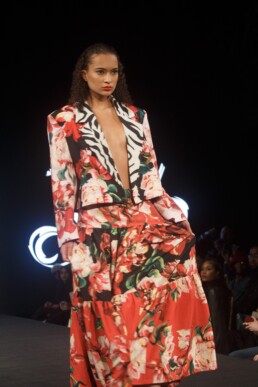

Critical Areas in the Fashion Industry:
Infrastructure
– Sourcing, skilled labor, energy, supplies, shipping, logistics, security are all areas that need support, not from every company, because few start-ups or businesses in an industry that can’t “redefine” their price point, or market, every year, can build their own infrastructure for a product line that isn’t producing to compete with the infrastructure provided by other countries.
Real Estate
– Most businesses need stability in either their production facilities, or their sales spaces. Or both. New York rents make it extremely difficult for any company to project a year of rent, and be able to cover their operating costs.
Financing
– Which makes sense for any industry (instead of solely for the investors). Financing follows different timelines. Farmers struggle, because they can’t produce, and sell crops, any faster than nature allows them too. They can have some crops that harvest faster, but not all of them can follow that timeline – so they rotate crops. Other industries, including fashion, follow a different timeline than tech manufacturing, software production, Artificial Intelligence, or Quantum computing. So the financing has different demands.
Labor
– Sewing and construction of garments can be easy or difficult. Skilled labor takes several years of training, experience and work. As our industry leaves, there is less work, less money, more difficulty in returning. America is uniquely positioned to build industries across a diverse economy. As long as people around the world, want to come to America and see a future, there will always be people without background, education or language skills, who seek possibilities in raising families and creating newer generations beyond their own limitations. But if these kinds of industries aren’t nourished and protected, they will go to other countries. We define “developing countries” as countries without resources, but “developing countries” have also proven to be countries with misaligned priorities and use of resources.
Marketing
– Because of the explosion of “big money” in hyping and marketing “tech industries,” marketing focuses on “viral” or “explosive” results. Few people in the fashion industry have the resources to both build their product line, AND build their marketing structure concurrently. There ARE entities that produce platforms for marketing, but most are small, fleeting, and the big ones, are lured by the high dollar potential of their perceived market (people who have the resources to spend millions on clothes).


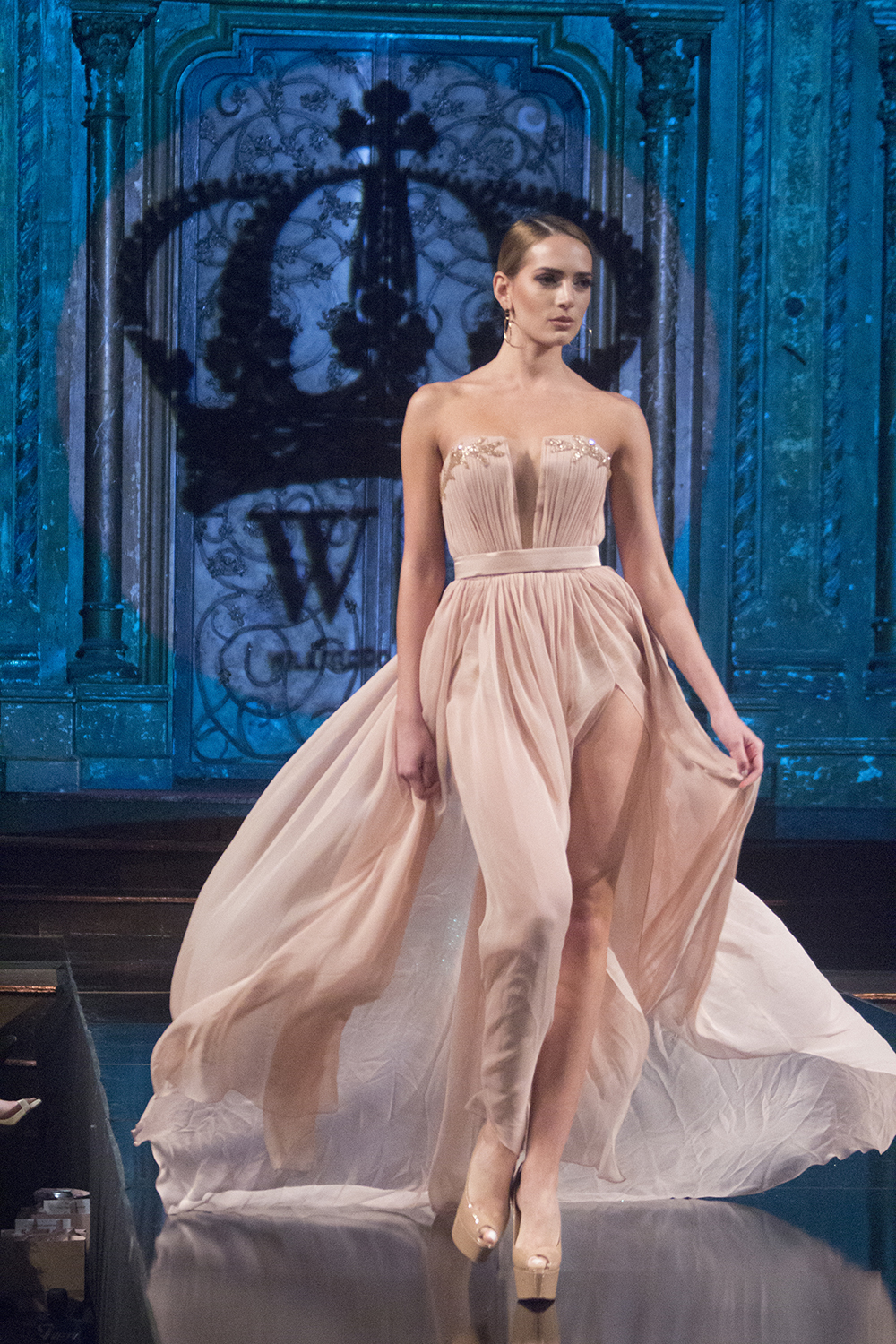

Designers: Creativity Amidst Constraints
American designers are celebrated for their innovation, yet in 2025, they are pressed as never before. Competing against global giants, especially fast fashion behemoths from Asia and Europe, designers face intense price competition and shrinking margins. The pressure to constantly release new collections—to feed the social media-driven appetite for novelty—can be overwhelming.
Moreover, the talent drain to cities like Paris, Milan, and Shanghai is real. New York must work harder to attract and retain visionary designers who might otherwise find greater opportunities abroad.
Returning to the critical areas of industry development and growth that was mentioned earlier, big conglomerates and investment companies see the brand names of fashion and consumer products as “instantaneous income.” Investment companies believe that by “trimming costs,” or eliminating waste, will bring them (and the money of their investors) the Return on Investment (ROI) that they need to show. Even in technology, companies are investing in probable technologies that will show extraordinary returns within a decade.
But for any small business, and particularly businesses created and supported by the “sweat equity,” of start-up owners, most have no way of competing, and the timeline of growth, can be a generation or more (that is the history of Chanel, Gucci, Missoni, Prada, Louis Vuitton, but also for Volkswagon, Mercedes, Mitsubishi.
Who is willing to provide an environment of nourishing, or protecting the companies that will become the giants of the future? Throwing millions and billions into companies hoping to become Google or Meta or Apple, isn’t reasonable, and the growth of those kinds of companies stopped being innovation and became strategic alliances long ago.
Production in Fashion: Manufacturing and Marketing
In other parts of the world, financing for industries come from their governments, which sees a value in building or supporting the industry. Oil and gas industries have had this kind of funding for decades.Americans didn’t think that the Chinese apparel industry was built by capitalist start up funding to be able to dominate the global economy in clothing, fashion, and accessories. Once those production factories were built to scale, they needed markets, and that is where America’s consumer base was useful. The Chinese (and Eastern European) countries did manufacturing and appealed to luxury brand names to market for them. But factories didn’t stop manufacturing, simply because the brand’s contracted quantity was filled, by changing a design or look simply, but supporting Chinese design students and then sending them to Paris, London, Milan and New York to “intern” with the brands, they built industries that are formidable globally.
Like the Japanese and Korean industries before them, and the Vietnamese and Ecuadorian industries to come, the expanded this production techniques to electronics, automobiles, and are going into other industries.
Production of the marketing and sales of those produced products, fell on the global brands to find ways to introduce new products and brands to new (and existing) audiences.The use of magazines, were used by the established markets in Western Europe, the United States and the wealthy, who had the time and money to leisurely browse through the best and brightest, but social media, with it’s democratic reach, was the tool to reach everyone else.
Not well. Not necessarily effectively, but it is the tool to get brands and images in front of a large audience.

Marketing in Fashion
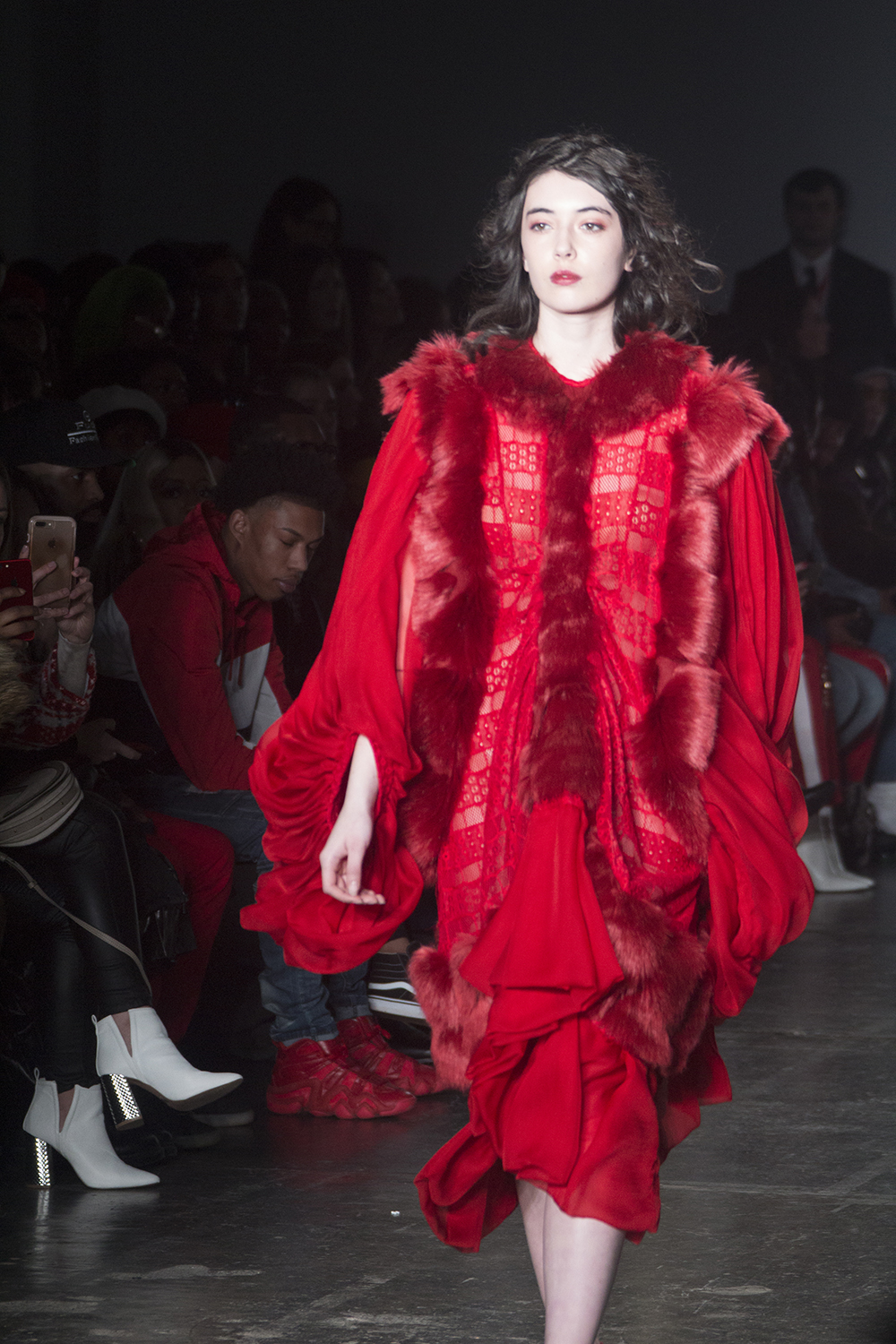
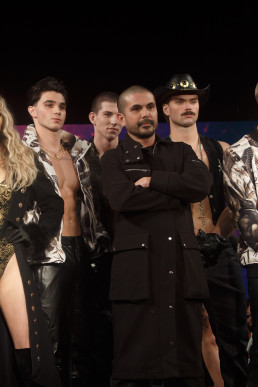
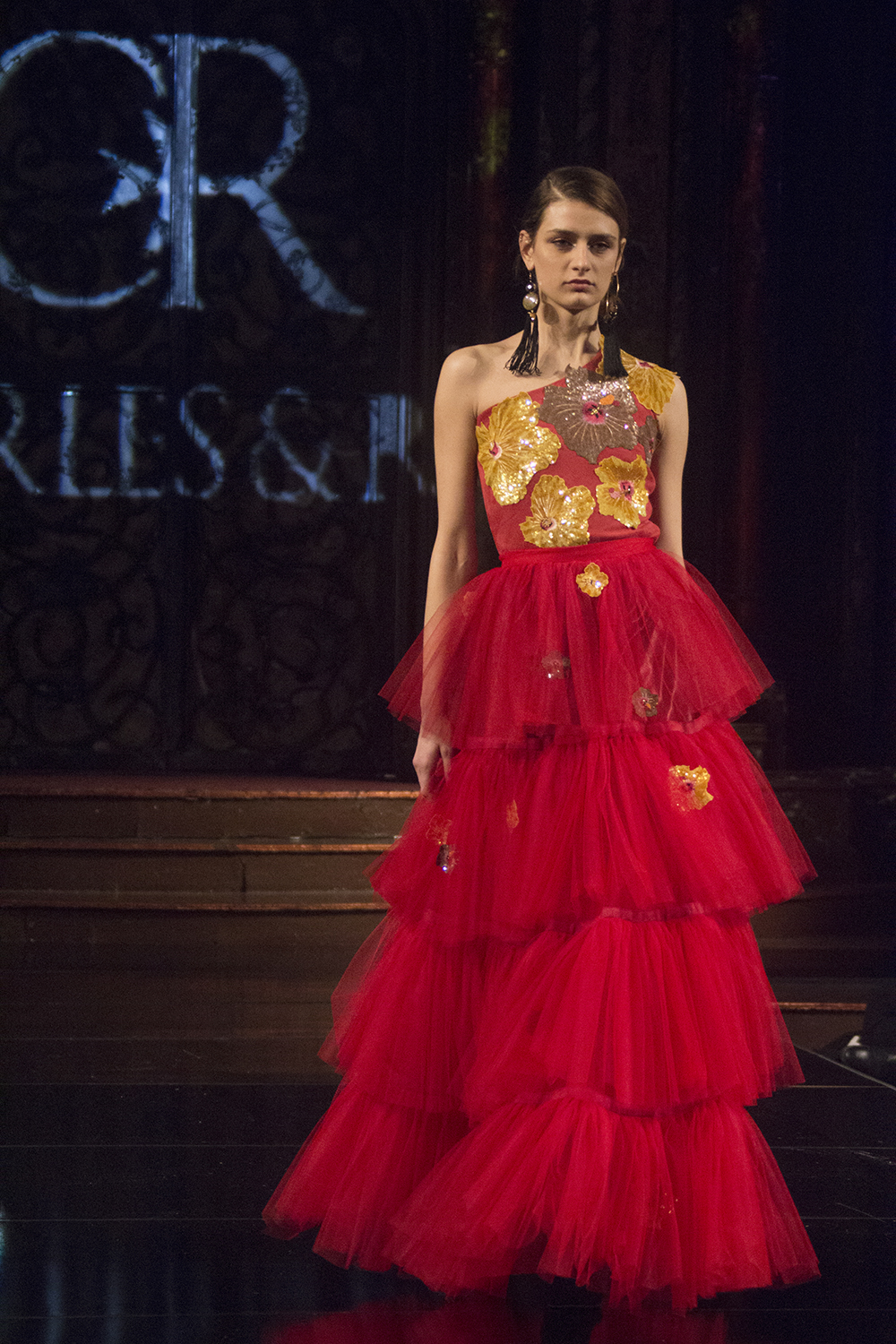
In the production of marketing, Erik Rosete, the founder of Art Hearts Fashion, began developing a platform for designers in 2011, became a producer of fashion shows which allowed small designers to be seen, while controlling costs by ganging up multiple designers in his shows: “We focus a lot on producing great events for them (the designers). And it’s really led to a movement and a community of a lot of designers that are collectively telling their story under one umbrella. It’s a collective of everyone’s story. And so it really features designers from all walks of life, from different parts of the world, from different aspects, from different, you know, whether it be kids or dogs, couture, body shaping, a little bit of everything.For many emerging designers, photos and videos from a runway show, on a professional model, becomes their sole means of marketing themselves on social media.
“Well, that’s part of being an inclusive platform that tells a complete story from daytime to nighttime, from birth to death, from youth to risque, from conservative to sexy.” Rosete says in defining some of the elements that allow him to produce shows.
His sponsors and audiences, he says, “They’re (looking for) different elements that provoke emotion. They provoke conversation. They provoke feelings. And, you know, again, it’s like you may not like to watch kids shows, but you can appreciate them. You may think that the tape shows too sexy, but you don’t have to watch it.”
In order for Art Hearts Fashion to be successful (and he’s proven to be so for 12 years), he has to be aware of what interests them (and who the sponsors want to put their products in front of, rather than have someone in a remote office, ordering him what to put in front of the audiences.
Fashion Schools: Educating for an Industry
Institutions like the Fashion Institute of Technology (FIT) and Parsons School of Design are recognized as world-class, but they find themselves having to adapt. To prepare students for the realities of 2025, curricula are being updated to include sustainability, supply chain management, digital design, and entrepreneurship.
However, fashion education is expensive, and many students graduate with significant debt. The challenge for schools is to remain accessible, relevant, and connected to the evolving industry—ensuring that graduates are not only creative but also equipped to thrive in a globalized world.
Erik Rosete’s Art Heart Fashion, is aware both of the costs, and the dreams of designers in fashion programs: “they spent their tuition on going to these universities to learn how to do this. Their dream is to see their garment at New York Fashion Week. And so, you know, many of them didn’t travel to New York, but that photo, that content is their dream. And it’s very powerful because they were all able to accomplish that through us.”
Rosete, when asked about his view of curating and uncovering the designs and brands he presents: “We want to be able to showcase a wide range of brands is rebellious because there are so many of these attitudes and these misconceptions that you have to follow a certain trend or a certain path. I love going against the grain and really making people speak even to provoke controversy is to provoke the power of what we’re doing. Make them talk, you know, let them talk.”
“And I do feel like a rebel” he continues,” because if I listen to the (monied) universe, I would be showing nuns on the runway and I would be showing boring clothing. I wouldn’t be supporting the crazy cool artists from all over the world. I would be following a path that’s force fed on me.”
“I refuse to do so because I know people want to see cool and sexy and fun fashion shows. I know they want to be able to see different types of models and different types of clothing. They don’t want to just get stuck into this, you know, one bubble or whether it be conservative or, you know, just this.”
As “money” has flowed into every industry, the search for “efficiency” has choked off innovation, creativity, discovery, and experimentation. There is less and less acceptance of anything that isn’t a “profit center.” The “risk” of investment, has become the “conformity” of investment. The absolute and sure placement of money, that has a “guaranteed” return.That culture is visible in all arts, and all society, but with recent elections, to government as well.
Rosete observes: “everyone’s been brainwashed to believe that you have to follow a certain rule book. But this is fashion. Fashion is about breaking the rules.
It’s about standing out. It’s about being unique and being able to tell your own story through what you wear. And what people forget is that people identify themselves through their fashion sometimes.


Obstacles to American Industry:
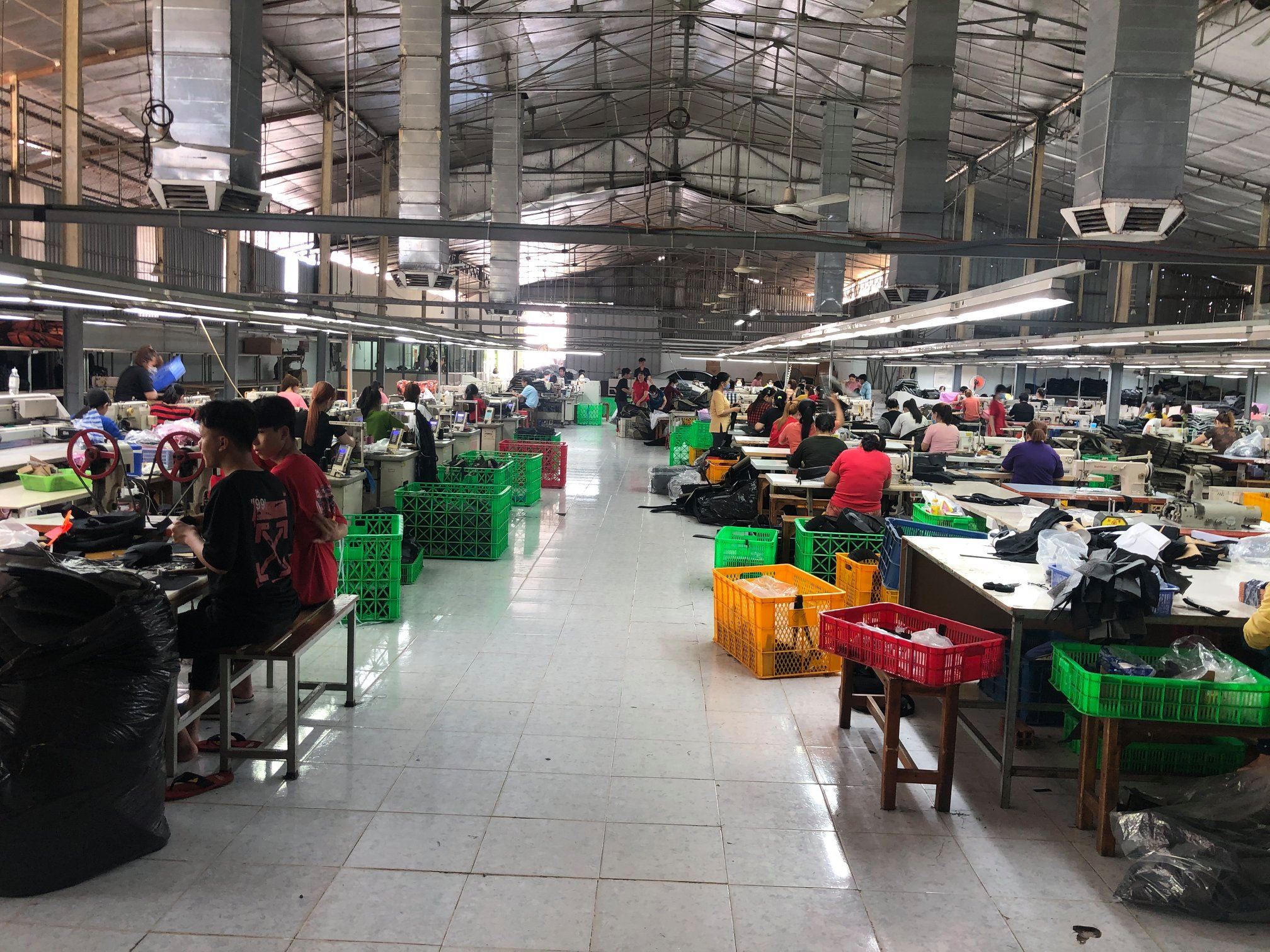
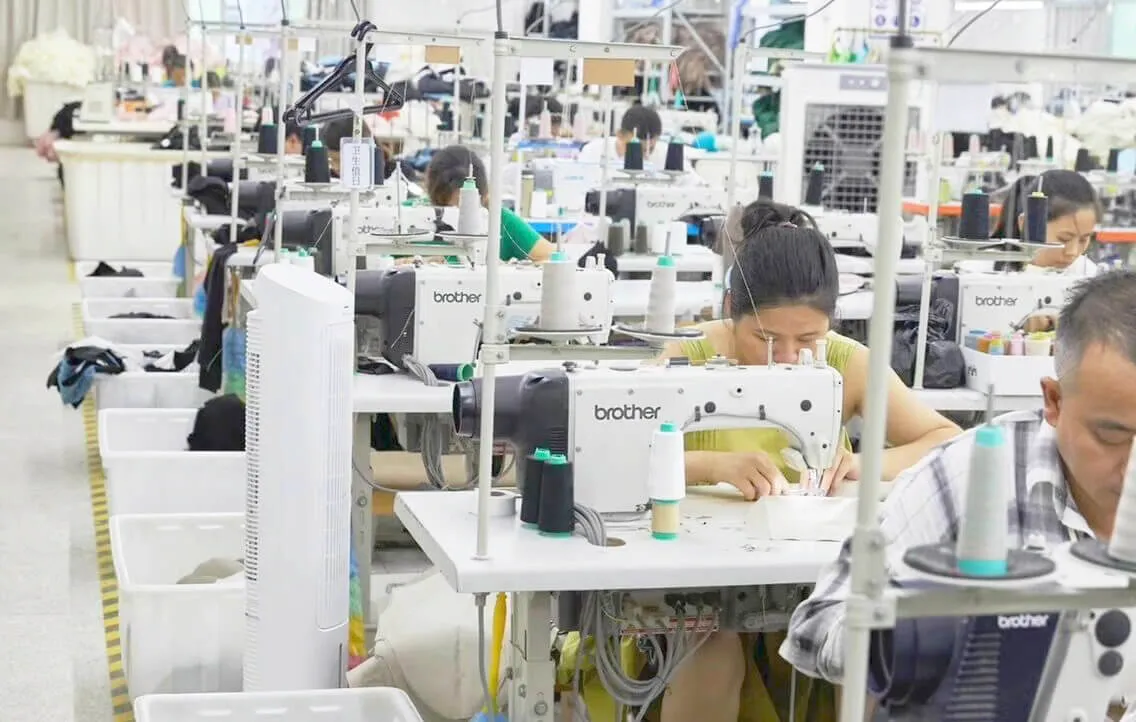
- Globalization and Outsourcing: The vast majority of clothing sold in America is manufactured overseas, where labor is cheaper and supply chains have been optimized for efficiency. The problem with simply chasing “cheap labor,” is that other developing countries are using the asset of “cheap labor,” to create a stable economy, with at least ONE sector, is able to be sustainable.
- While other industries can build from a stable economic sector, to ramping up sectors of toys, batteries, smart phones, electric cars, quantum computing, drones and arms. They do so with limited competition in each field – because the competition was culled by efficiencies. The fashion industry cannot force lack of choice onto consumers by simple “efficiency.” The more common a “style” or “look,” the more fleeting it is, and less likely it is to grow, but it also becomes limited by the perception of “sameness.”
- Rising Costs: The cost of labor, rent, and compliance with environmental and labor standards in New York is among the highest in the world, threatening the viability of domestic production. Fleeing the idea of compliance for an apparel market, without focusing on the regulation of rent (which is the HIGHEST cost, and cannot gain efficiency), is short-sighted.
- Supply Chain Disruptions: The post-pandemic world has seen persistent supply chain challenges, from shipping delays to shortages of textiles and trims, which disproportionately impact small producers and designers trying to keep manufacturing local.
- Technology and Digital Transformation: The rise of digital fashion, including virtual showrooms, 3D design tools, and the metaverse, is both an opportunity and a threat—demanding new skills and investments that not all players can afford.
Challenges for the Fashion Industry
Producers: Navigating Economic and Logistical Hurdles
For producers, creating fashion shows like Erik Rosete, the landscape is both inspiring and daunting. On one hand, there is a renewed interest in ‘Made in the USA’ labels, driven by consumer demand for ethical production and transparency. On the other, the infrastructure that once underpinned the Garment District has dwindled, and the cost of reestablishing facilities is steep.
Production companies manufacturing for a competitive and shifting market, must also balance the need for speed-to-market with quality and innovation. American manufacturing, if it hopes to compete, must offer more than just proximity—it must deliver on sustainability, advanced craftsmanship, and customization.
One group (marketing producers) can find other markets, the other group (manufacturing) rises and falls with the infrastructure invested in what they do.


Global Competition: The New Reality
Competition is fiercer than ever. Chinese and Southeast Asian manufacturers offer speed and scale at prices American factories struggle to match. European fashion houses wield centuries of heritage and branding power. The digital revolution has lowered barriers to entry, allowing new players from emerging markets to reach global audiences overnight.
In response, New York’s fashion community is seeking to differentiate itself through:
- Sustainability: Emphasizing environmentally conscious materials and practices, including upcycling, zero-waste design, and closed-loop manufacturing.
- Inclusivity and Diversity: Championing designers and models from a broad spectrum of backgrounds, expanding the narrative of American fashion.
- Innovation: Integrating technology into both design and production, from 3D printing to AI-driven trend forecasting.
Is It Worth Bringing Fashion Production Back to the United States?
The debate over reshoring fashion production is complex. The arguments in favor include:
- Shorter Lead Times: Proximity to the market allows for greater flexibility and responsiveness to trends.
- Job Creation: Reviving manufacturing could provide employment opportunities in cities where industrial jobs have disappeared. Along with the TYPE of jobs and industry.
- Quality Control: With tighter oversight, brands can better ensure ethical and sustainable practices.
- Brand Value: ‘Made in USA’ can carry a cachet that appeals to certain consumers, especially in the luxury and streetwear segments. Although, this Brand, will not have the value of luxury segment until a more significant craftsmanship is developed and recognized consistently.
- National/Local Political and Economic benefits: America faces an increasing schism between populations that are highly educated, but dependent on big corporations to hire them, and less educated population that struggles to find service jobs, or a dependency on government benefits. Large corporate interests may pay, but they won’t pay everyone, and they are looking to divest themselves of labor in all areas.Is it better to find ways for governments to invest in creating both a skilled labor forces for employment and social stability, rather than dealing with the government costs in the future?
- There are many industries that can thrive on diverse tastes and interests, but the production of fashion items, is something that doesn’t demand high cost start-ups, but they still need help.
However, the barriers are significant:
- High Costs: Labor and real estate costs make American-made goods more expensive, limiting their market share. But as with any industry, labor, is only expensive if the product is not worth the costs. Real estate costs in less expensive areas exist, but transportation for the labor market, doesn’t.
- Skill Gaps: The decline of domestic manufacturing means fewer skilled workers are available, and training takes time. In experience with items in the vintage market, the skill of production existed in the 1950s and 1960s. But the people who crafted the pieces most valued in vintage markets, were made by Jewish, Italian, and Irish immigrants. Current immigrants have a more difficult time apply skills already learned, to a marketplace that is substantially reduced.
- Scale: The massive production runs required by major retailers are still easier to achieve overseas.



Conclusion: A Strategic Reinvention
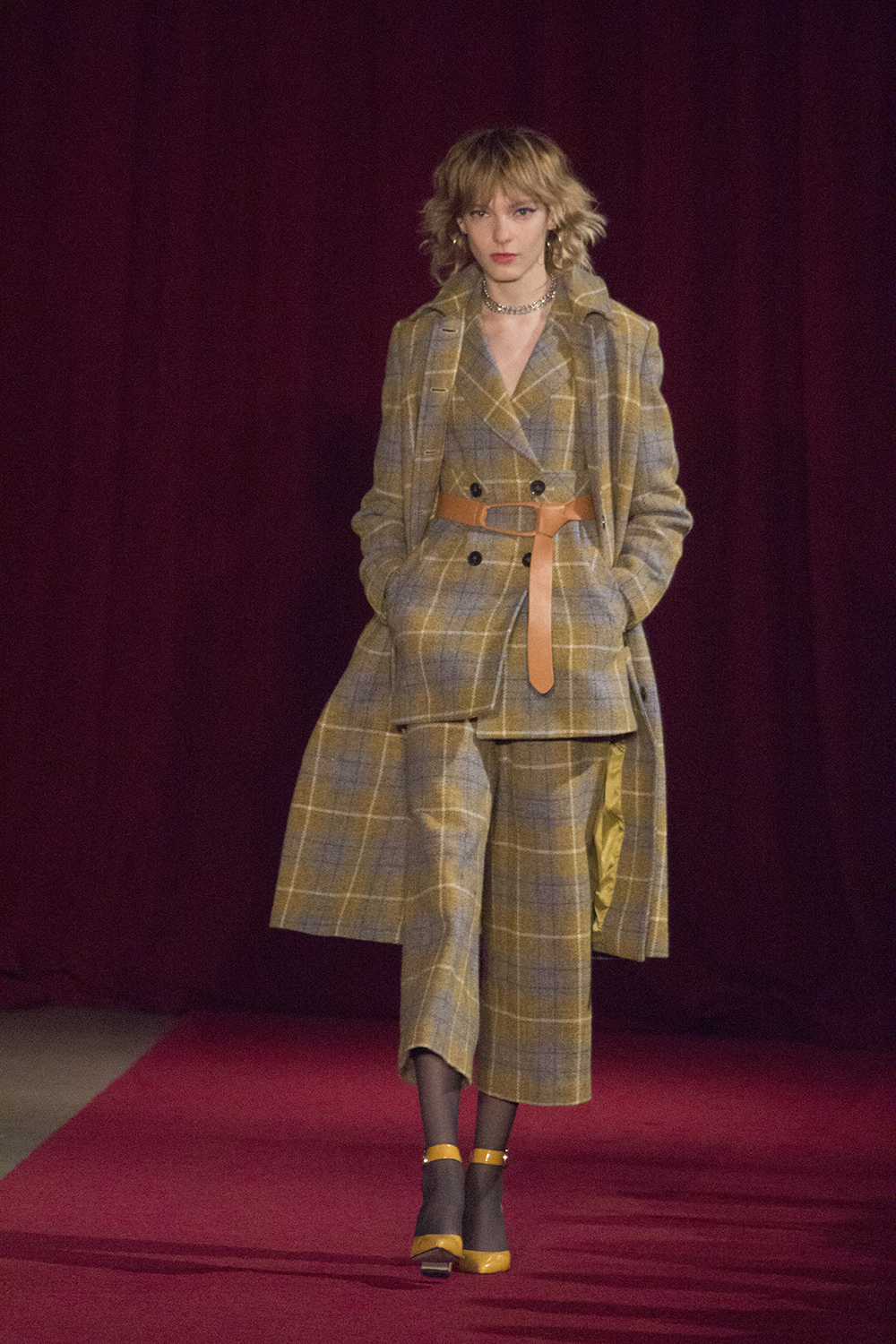
For New York—and, by extension, America—the future of fashion lies in strategic reinvention, not nostalgia. Rather than trying to replicate the past, the industry must leverage its strengths: creativity, diversity, innovation, and educational excellence.
By investing in sustainable practices, fostering talent from all backgrounds, and integrating cutting-edge technology, New York can remain a global fashion leader. Marketing producers like Erik Rosete who champion emerging voices, and educational institutions that reimagine fashion’s future, will play a critical role.
Is it worth bringing fashion production and design back to the United States? For certain segments, absolutely—especially where quality, branding, and sustainability matter most. For others, global integration will remain essential. The key is not to compete on price alone, but to offer something the rest of the world cannot: the unique spirit and vision of American fashion.
But realistically, the fashion industry is a high profile example of manufacturing production leaving a “highly industrial country” and leaving the country to become a “developing country.” Essentially a “third world” nation. Essential to growth, for any country, is stability, and stability in society is based on finding (or allowing) a labor market to exist. If it doesn’t, that labor market becomes a burden on the nation. The reason China invested in the “infrastructure” of putting everyone to work, was for the country to grow. When they, like the United States, began focusing solely on the efficiency of industry – without reinvesting in labor-intensive industries, their unemployment, particularly among the young, began to rise.
In this sense, the answer is not a simple yes or no. It is an ongoing evolution—one shaped by creativity, resilience, and an unwavering belief in the power of reinvention. But a intentional, political and economic decision, is to look forward, by building stable industries that are sustainable, not only in the products produced, but in the people and process of producing those products.
In THE most diverse society in the world, the New York fashion industry has the ability to draw on international talents, and techniques, styles, visions that are fluid, evolving and inspirational to the rest of the world.
