
Rocky Hes' "A Model's Guide: How to get Started in New York"
by: Phillip Wong
fotos: Phillip Wong
Verve People
August 2025
Rocky Hes’
A Model’s Guide – How to get Started in New York
Step by Step Knowledge

For aspiring models seeking a reliable roadmap into the competitive world of modeling, guidance from experienced professionals can prove invaluable. Rocky Hes’ recently released book, “A Model’s Guide,” stands among such resources, offering practical advice and insights tailored to both newcomers and those wishing to refine their craft. Among resources, Hes’ straightforward approach, blends motivation with actionable instruction.
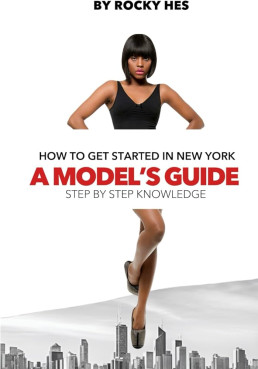
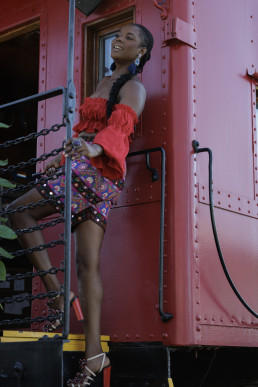
When Rocky Hes launched her book, “A Model’s Guide – How to Get Started in New York,” she had a panel of models, agents, scouts, stylists, photographers, both on her panel and among the select audience. Among those in the audience were a few models who we asked their thoughts, as the girls and women (and boys and men) who would be impacted by a guide into their industry.
The Hes book is a very good foundation for how to approach it systematically.
Comprehensive Foundation:
- “A Model’s Guide” provides readers with a thorough overview of the modeling industry, demystifying the path from first steps to professional success.
- The book balances realism with encouragement, outlining opportunities but also common pitfalls and misconceptions.
- It serves as a reference that models can revisit at different stages of their careers, adapting its guidance as their experience grows.
Industry-Relevant Advice:
- Rocky Hes draws from personal experience and industry standards to detail the expectations placed on models—from maintaining professional relationships to handling castings and portfolio development.
- The book emphasizes the importance of persistence, resilience, and adaptability, all essential for success in a field known for its challenges and rapid changes.
One of the models we spoke with: Gabrielle Li Navarro, “found the ‘step by step’ guide . . . highlighting the important aspects of modeling,” was helpful. “Ms. Rocky Hes, a role Model I didn’t know I needed,” she says.
Practical Tools and Techniques:
- Readers find actionable tips on building and maintaining a strong portfolio, including what types of photos to include, and how to present oneself to agencies and clients.
- Hes provides checklists, sample resumes, and advice on attending castings, auditions, and photo shoots, ensuring models can approach opportunities with confidence and professionalism.
- A section on self-care and work-life balance underscores the importance of health—mental, physical, and emotional—when pursuing a modeling career.
Two sections, on “Research and Networking, and another on Legal and Financial Considerations,” drew the attention of Navarro, one of a few models who attended the launch, “due to the importance of financial literacy.”
Navigating the Business Side:
- The book instructs models on understanding contracts, rates, and negotiations, arming them with the knowledge to advocate for themselves and avoid exploitation.
- Information about reputable agencies, red flags in the industry, and the process of finding legitimate representation helps readers make informed choices.
Modeling, like some other industries, needs to take people when they are young, and like other potential career paths, put them to test, and work, to find out whether they have the will, the discipline, the willingness to work, but unlike other paths: learning musical instruments, gymnastics, team sports, the modeling industry doesn’t have many organized paths (or guides) helping to move them forward. Young models are often left on their own to “figure it out.” Without guidance, it becomes a road filled with “trial and error” situations.
Another model we met, Delyn Saffa, said: “walking into a whole new world, can be nerve-racking . . . knowledge within the industry is the level this book will elevate you to.”“This guide,” Saffa said, “gives you insight on what to expect, what to avoid, where to look, and when to say “no.”
Personal Branding and Self-Confidence:
- The book encourages models to develop a unique personal brand, understanding how to stand out in a competitive environment without sacrificing authenticity.
- Exercises and anecdotes illustrate methods for building self-confidence and coping with rejection, an inevitable part of the modeling journey.
“I admire Rocky’s devotion to uplifting the next generation of fine models, especially women of color.” Saffa muses, reflecting on her own experiences, “We face more challenges in the industry, and hearing and seeing the testimonies of successful models who have overcome the trials and tribulations is the eye-opening hope we all yearn for.”
Continuous Learning:
- Rocky Hes advocates for ongoing education—whether learning new poses, studying fashion trends, or taking workshops—to remain relevant and competitive.
- Models are urged to seek feedback, invest in their skills, and remain open to growth and adaptation.
“A Model’s Guide” by Rocky Hes is a valuable companion for anyone pursuing a career in modeling. Through its blend of industry insights, practical tools, and motivational support, the book equips readers with the knowledge and confidence to thrive. Whether one is just starting out or looking to elevate their career, Hes’ guide offers clear instruction, actionable strategies, and the encouragement needed to navigate the modeling industry’s unique challenges.
Delyn Saffa applauds “A Model’s Guide, by saying “The dedication that Rocky has to spreading knowledge and testimonies to fellow models is inspiring in itself. We celebrate a strong, intellectual Black woman who doesn’t gatekeep but opens the gates-and that woman is our Rocky.”
Ironically, while the public view of the modeling industry is that of “pretty faces and bodies,” the essential core to success, is a strong discipline, and understanding of yourself. It is critical for young people to both be able to follow direction, but also understand when, and how, to say: “No,” as Saffa points out.
The opportunities of seeing many places in the world, and being exposed to many experiences, is an unusual attraction for many, and Rocky Hes’ book, allows newcomers to consider their options. In many ways, it’s a guide to Life.
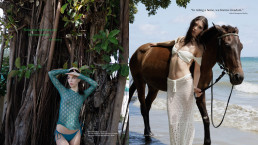
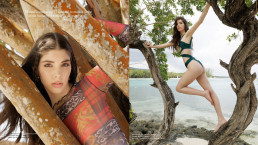
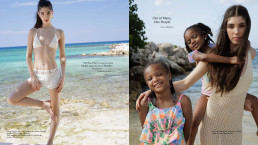
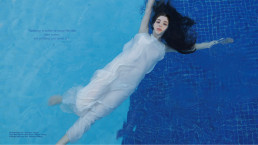
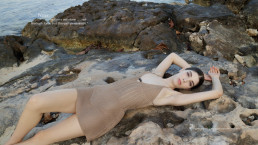
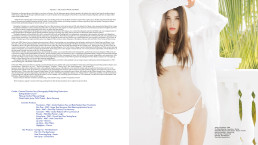
Rocky Hes styled by: DaNisha Greene/ Assistant: Delyn Saffa
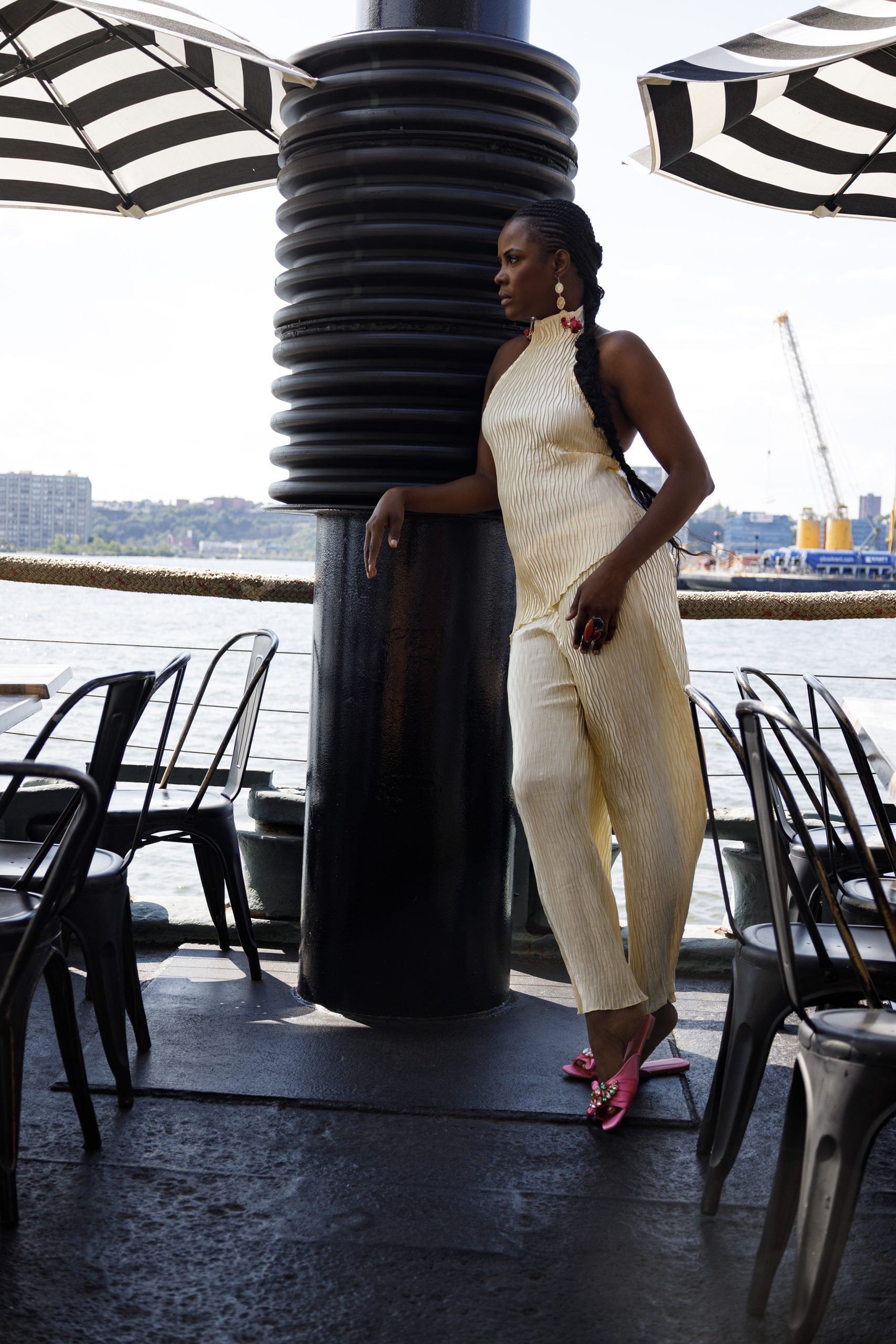
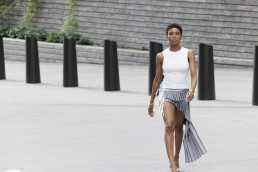
White two piece pants and top - Ayeakah, shoes - Pierre Phillip
Red peasant blouse - Ayeakah, embroidered shorts - Le Catou, shoes - Tory Burch
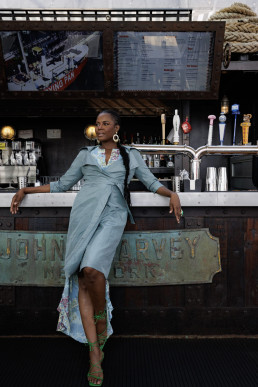
Blue trench coach - Max Mara, floral dress - BCBG Max Azaria, shoes - Zara
Gold blazer and pants - Le Catou, shoes - Christian Soriano
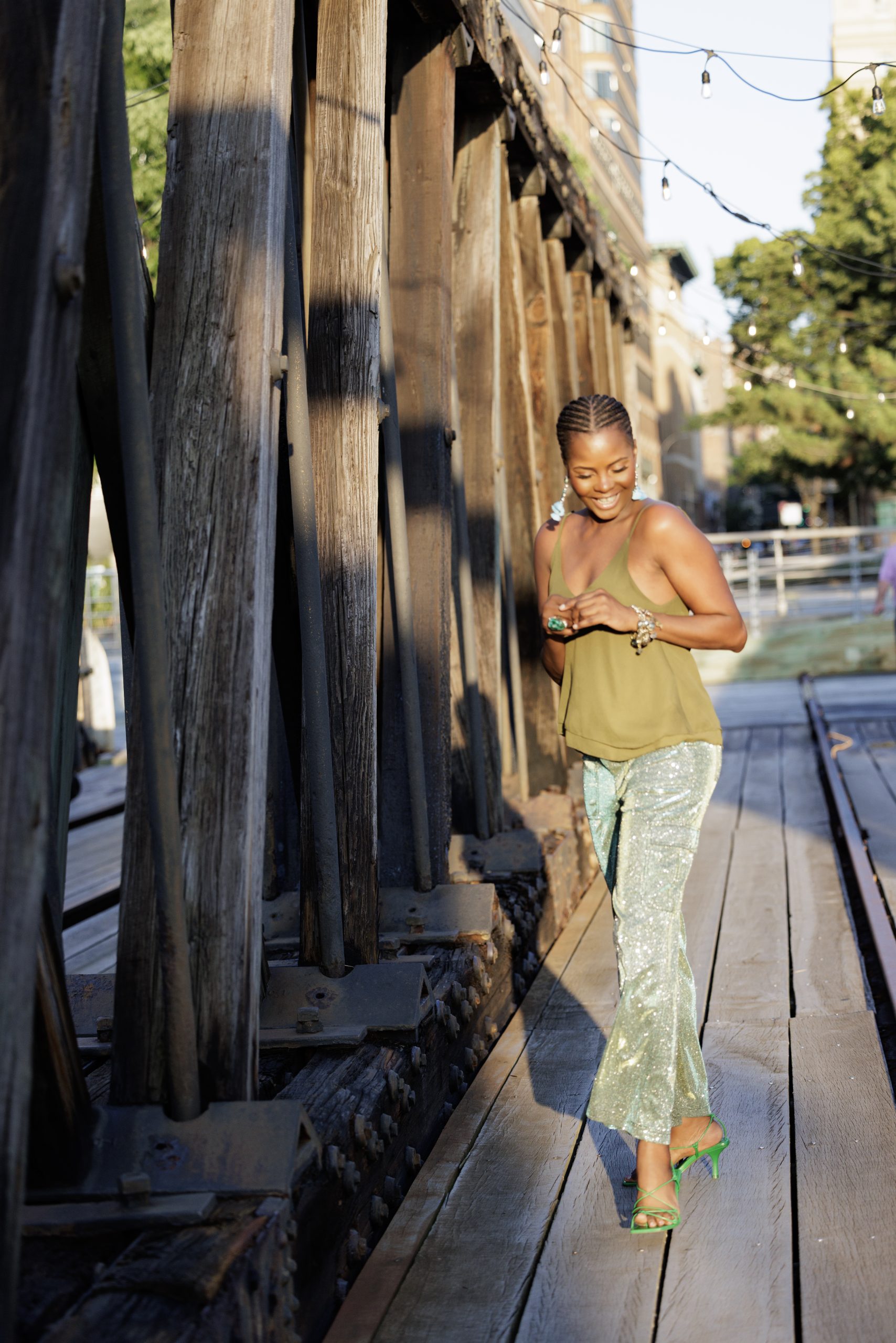
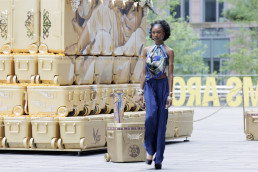
Green loose blouse - Tobi, Shimmer pants - Finesse, shoe - Zara
White top - H&M, Embellished skirt - English Rose, shoes - Pierre Phillip
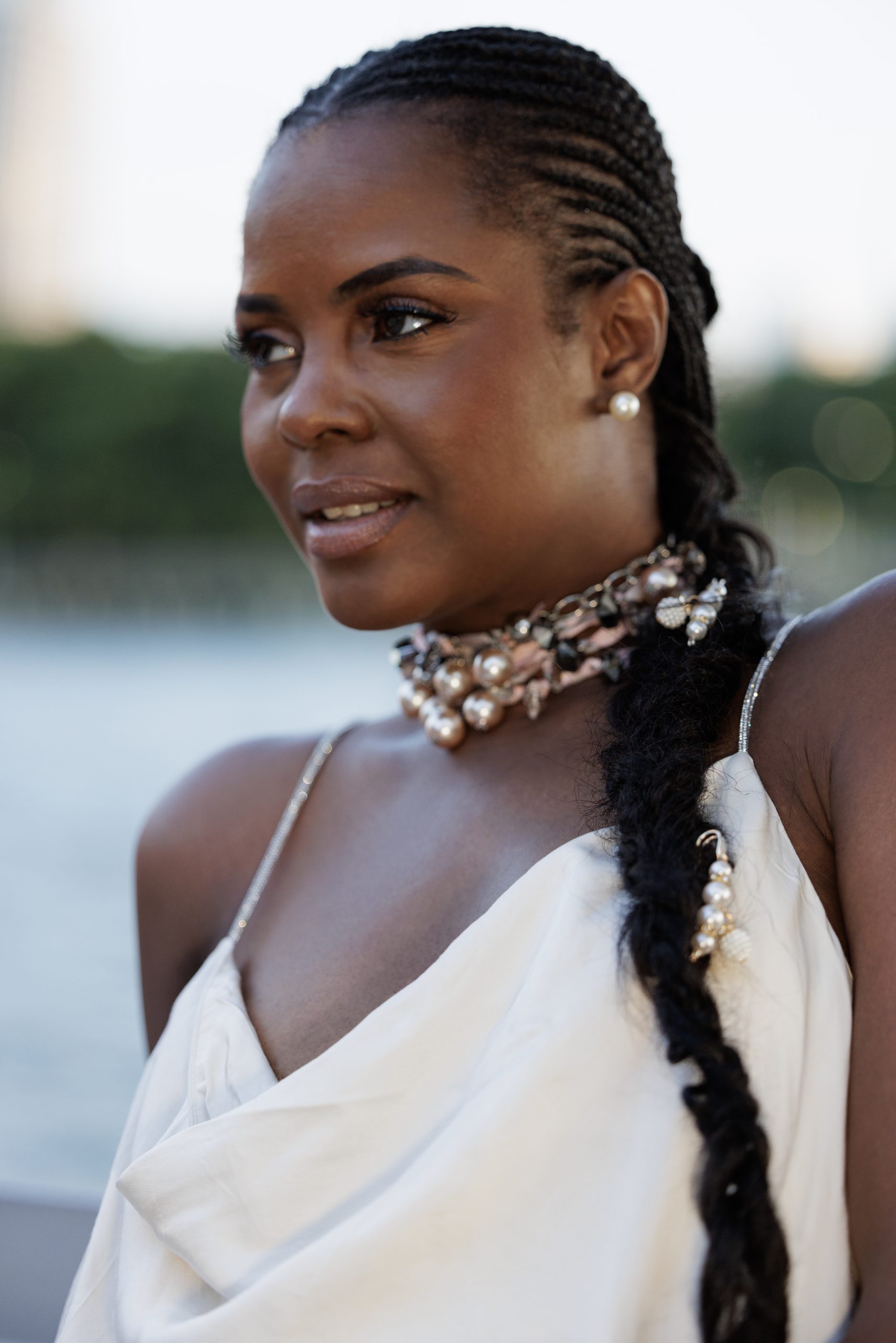
Make up provided for, and done by MAC Cosmetics and MAC team: Gabby, Justyna and Sabine
Skin Prep: Fix Plus Original & Fix Plus Stay Over Spray, Natural Radiance Primer, Fast Response Eye Cream, Hyper Real Serumizer, Fix Plus Original and Fix Plus Stay Over Spray
Concealers: Studio Fix 24 hour concealer: in shades NC48, NC55, NC58, NW45, NW47, NC55, Pro Longwear Concealer in NW40 and NC50, Pro Face Palette Contour
Foundation: Studio Fix Fluid in NC58, NC55, NW45 and NW47, Pro set and blur loose powder in shade: Dark, Blush: Raizin, Mineralize skinfinish Powder Dark Deep (Bronzer), Studio Fix Powder in C55
Cheeks: Strobe Cream Bronzelite, Glow Play Cream Blush “Pinch of Marrakesh”, Mineralize Blush “Hey Coral Hey”
Eyes: Pro Longwear paint pot: Soft Ochre, “Contemplative State”, Eyeshadows: Natural Wilderness and Embark, “Saddle” and “What Clout!”, Kajal liner in “extreme black”, 24 hour brush stroke liner “Brushblack”, Mac Stack Lash Primer and Mascara,
Brows: Brow Pencil in Spiked, Brow Gel in Stud, Onyx Brow Gel
Lips: Coffee, Chestnut and Nightmoth Liners, Glow Play Lip Balm “Introvert” and “Candid”, Macximal Matte Lipstick “Taupe”, Clear Lipglass

The State of the Fashion Industry - New York 2025
by: Phillip Wong
fotos: Phillip Wong
Verve Opinion – Industry
August 2025
Verve Fashion Magazine has been committed to the Art and Commerce of Fashion.
This is the first in a series of articles focusing on the Rise, the Fall, and the ReEmergence of Fashion, Art and Creativity in the Heart of America:
New York City
The State of the Fashion Industry
New York 2025

Challenges, Opportunities, and the Quest to Reclaim American Fashion Leadership
New York City, long celebrated as a fashion capital, stands at a crossroads in 2025. As the industry faces the relentless march of globalization, digital disruption, and shifting consumer values, American designers, production houses, educational institutions, and the myriad of industries, driving the industry, and riding the coattails of it, are grappling with the formidable challenge of staying relevant and competitive on a global stage.
The question of whether it is worthwhile for America to bring fashion production and design back to the United States is no longer rhetorical—it is urgent, nuanced, and deeply consequential.
The Pulse of New York’s Fashion Industry in 2025
Once synonymous with Seventh Avenue’s Garment District and the glamour of New York Fashion Week, New York’s fashion ecosystem has evolved into a complex tapestry. Major designers, headlining at NYFW, coexist with a burgeoning scene of independent brands, sustainable labels, and digital-first startups.
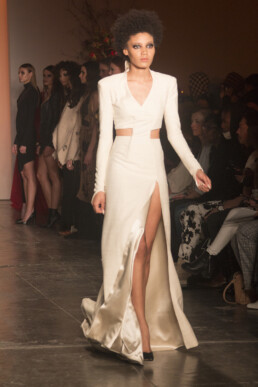
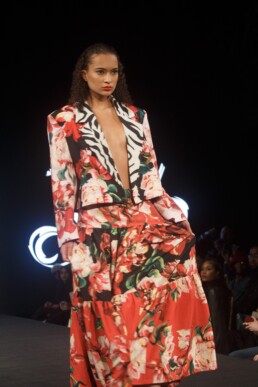
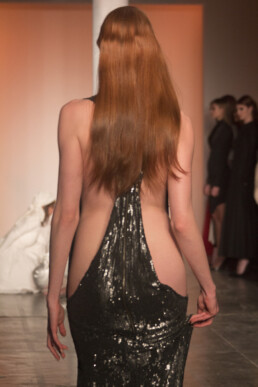
Fashion shows, and the photographs and videos generated from the shows, serve to create the “marketing” that brands need to reach a local, national, and global audience. But in media universe with shrinking universal reach, and social media platforms that give the “reach” potential to everyone, but each brand has to do it themselves, deserving brands have fallen by the wayside.
Critical Areas in the Fashion Industry:
Infrastructure
– Sourcing, skilled labor, energy, supplies, shipping, logistics, security are all areas that need support, not from every company, because few start-ups or businesses in an industry that can’t “redefine” their price point, or market, every year, can build their own infrastructure for a product line that isn’t producing to compete with the infrastructure provided by other countries.
Real Estate
– Most businesses need stability in either their production facilities, or their sales spaces. Or both. New York rents make it extremely difficult for any company to project a year of rent, and be able to cover their operating costs.
Financing
– Which makes sense for any industry (instead of solely for the investors). Financing follows different timelines. Farmers struggle, because they can’t produce, and sell crops, any faster than nature allows them too. They can have some crops that harvest faster, but not all of them can follow that timeline – so they rotate crops. Other industries, including fashion, follow a different timeline than tech manufacturing, software production, Artificial Intelligence, or Quantum computing. So the financing has different demands.
Labor
– Sewing and construction of garments can be easy or difficult. Skilled labor takes several years of training, experience and work. As our industry leaves, there is less work, less money, more difficulty in returning. America is uniquely positioned to build industries across a diverse economy. As long as people around the world, want to come to America and see a future, there will always be people without background, education or language skills, who seek possibilities in raising families and creating newer generations beyond their own limitations. But if these kinds of industries aren’t nourished and protected, they will go to other countries. We define “developing countries” as countries without resources, but “developing countries” have also proven to be countries with misaligned priorities and use of resources.
Marketing
– Because of the explosion of “big money” in hyping and marketing “tech industries,” marketing focuses on “viral” or “explosive” results. Few people in the fashion industry have the resources to both build their product line, AND build their marketing structure concurrently. There ARE entities that produce platforms for marketing, but most are small, fleeting, and the big ones, are lured by the high dollar potential of their perceived market (people who have the resources to spend millions on clothes).


Designers: Creativity Amidst Constraints
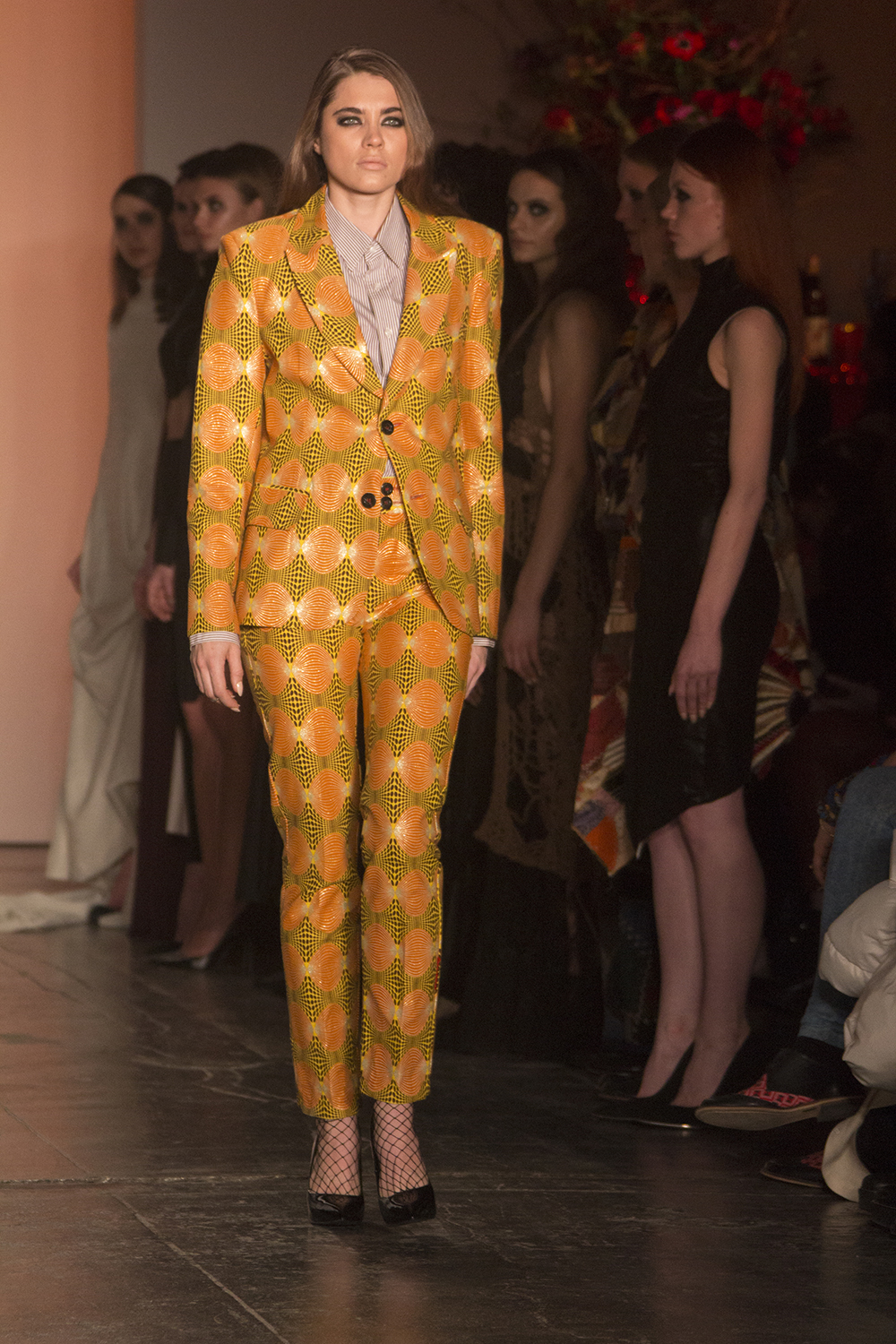
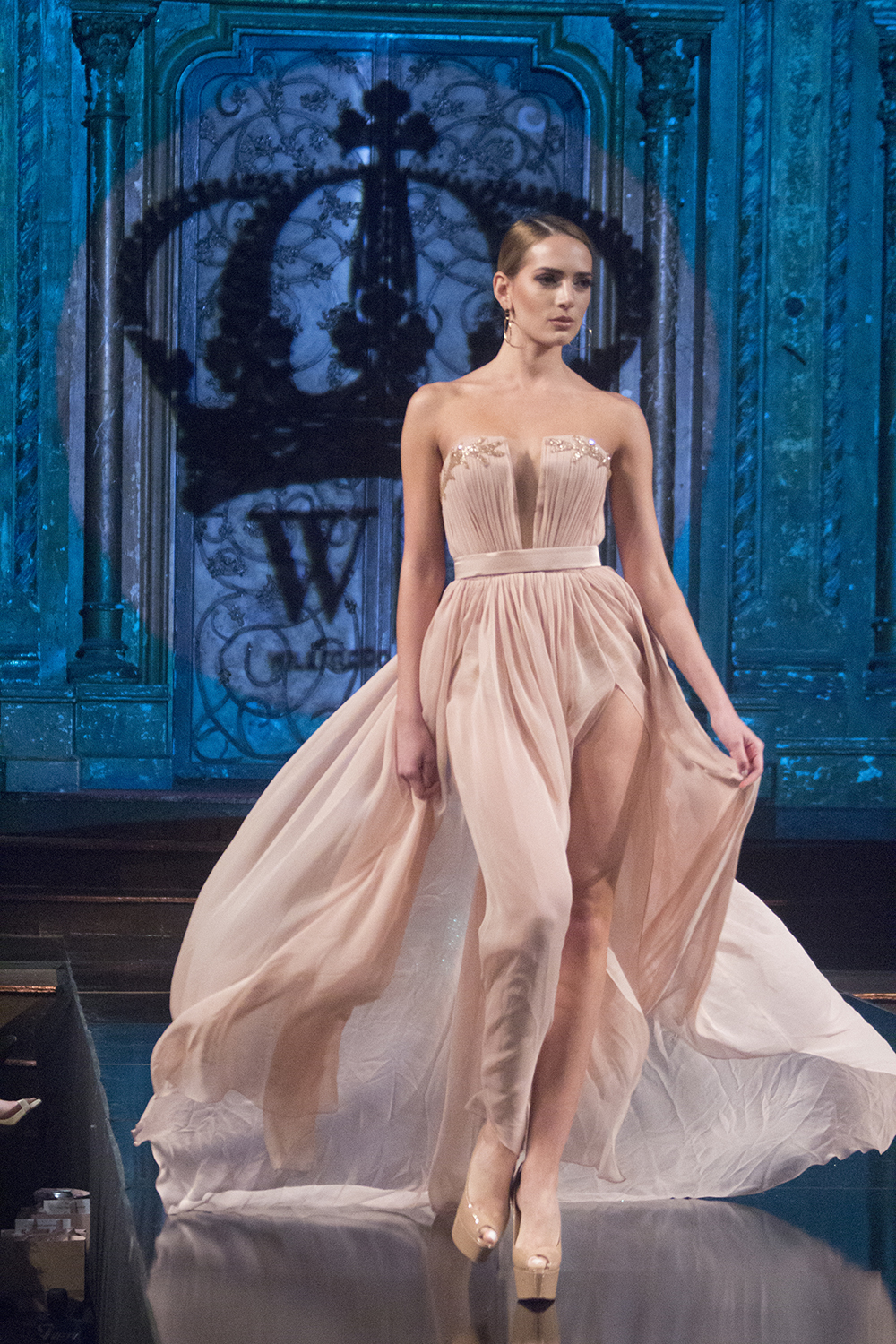
American designers are celebrated for their innovation, yet in 2025, they are pressed as never before. Competing against global giants, especially fast fashion behemoths from Asia and Europe, designers face intense price competition and shrinking margins. The pressure to constantly release new collections—to feed the social media-driven appetite for novelty—can be overwhelming.
Moreover, the talent drain to cities like Paris, Milan, and Shanghai is real. New York must work harder to attract and retain visionary designers who might otherwise find greater opportunities abroad.
Returning to the critical areas of industry development and growth that was mentioned earlier, big conglomerates and investment companies see the brand names of fashion and consumer products as “instantaneous income.” Investment companies believe that by “trimming costs,” or eliminating waste, will bring them (and the money of their investors) the Return on Investment (ROI) that they need to show. Even in technology, companies are investing in probable technologies that will show extraordinary returns within a decade.
But for any small business, and particularly businesses created and supported by the “sweat equity,” of start-up owners, most have no way of competing, and the timeline of growth, can be a generation or more (that is the history of Chanel, Gucci, Missoni, Prada, Louis Vuitton, but also for Volkswagon, Mercedes, Mitsubishi.
Who is willing to provide an environment of nourishing, or protecting the companies that will become the giants of the future? Throwing millions and billions into companies hoping to become Google or Meta or Apple, isn’t reasonable, and the growth of those kinds of companies stopped being innovation and became strategic alliances long ago.
Production in Fashion: Manufacturing and Marketing
In other parts of the world, financing for industries come from their governments, which sees a value in building or supporting the industry. Oil and gas industries have had this kind of funding for decades.Americans didn’t think that the Chinese apparel industry was built by capitalist start up funding to be able to dominate the global economy in clothing, fashion, and accessories. Once those production factories were built to scale, they needed markets, and that is where America’s consumer base was useful. The Chinese (and Eastern European) countries did manufacturing and appealed to luxury brand names to market for them. But factories didn’t stop manufacturing, simply because the brand’s contracted quantity was filled, by changing a design or look simply, but supporting Chinese design students and then sending them to Paris, London, Milan and New York to “intern” with the brands, they built industries that are formidable globally.
Like the Japanese and Korean industries before them, and the Vietnamese and Ecuadorian industries to come, the expanded this production techniques to electronics, automobiles, and are going into other industries.
Production of the marketing and sales of those produced products, fell on the global brands to find ways to introduce new products and brands to new (and existing) audiences.The use of magazines, were used by the established markets in Western Europe, the United States and the wealthy, who had the time and money to leisurely browse through the best and brightest, but social media, with it’s democratic reach, was the tool to reach everyone else.
Not well. Not necessarily effectively, but it is the tool to get brands and images in front of a large audience.

Marketing in Fashion
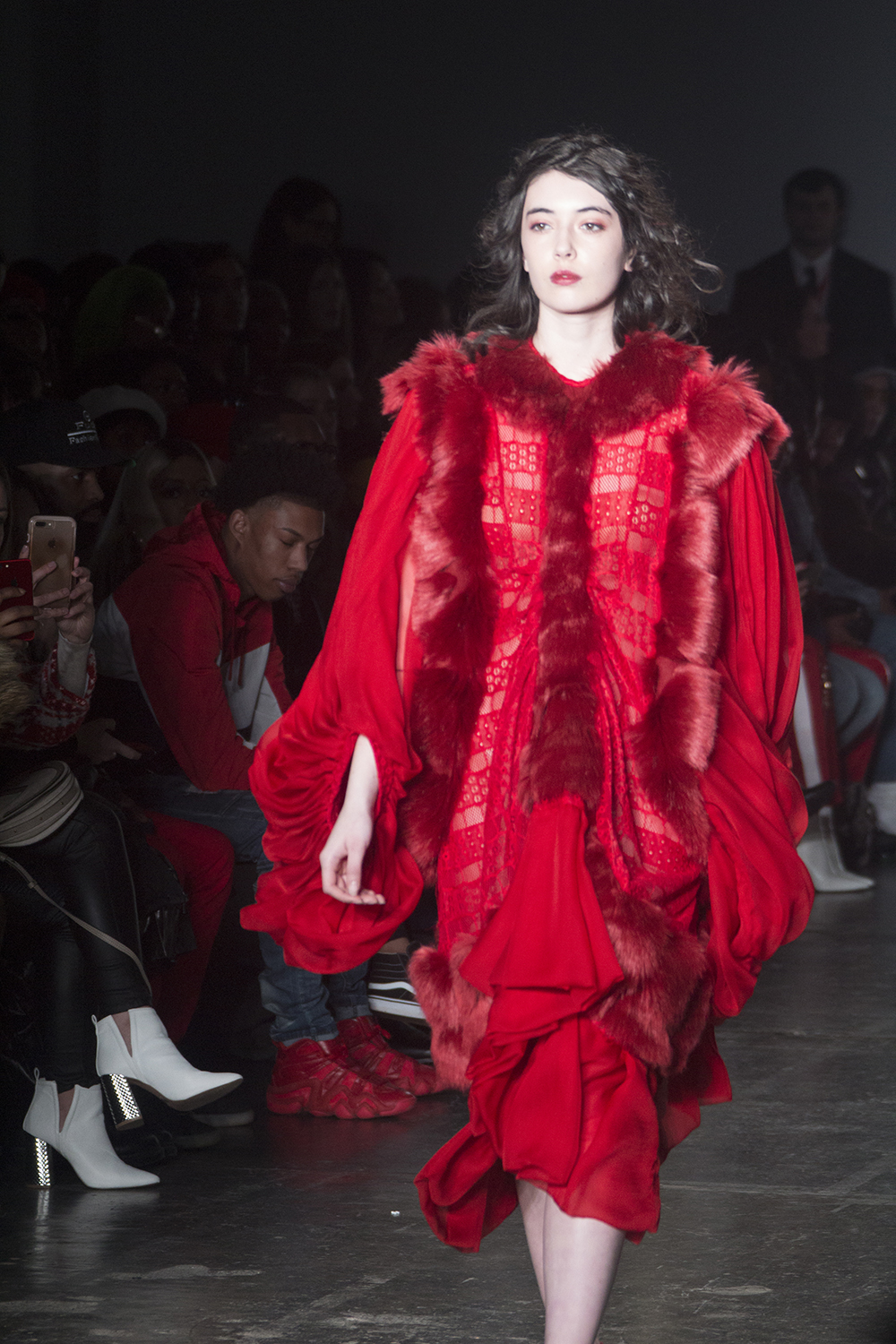
In the production of marketing, Erik Rosete, the founder of Art Hearts Fashion, began developing a platform for designers in 2011, became a producer of fashion shows which allowed small designers to be seen, while controlling costs by ganging up multiple designers in his shows: “We focus a lot on producing great events for them (the designers). And it’s really led to a movement and a community of a lot of designers that are collectively telling their story under one umbrella. It’s a collective of everyone’s story. And so it really features designers from all walks of life, from different parts of the world, from different aspects, from different, you know, whether it be kids or dogs, couture, body shaping, a little bit of everything.For many emerging designers, photos and videos from a runway show, on a professional model, becomes their sole means of marketing themselves on social media.
“Well, that’s part of being an inclusive platform that tells a complete story from daytime to nighttime, from birth to death, from youth to risque, from conservative to sexy.” Rosete says in defining some of the elements that allow him to produce shows.
His sponsors and audiences, he says, “They’re (looking for) different elements that provoke emotion. They provoke conversation. They provoke feelings. And, you know, again, it’s like you may not like to watch kids shows, but you can appreciate them. You may think that the tape shows too sexy, but you don’t have to watch it.”
In order for Art Hearts Fashion to be successful (and he’s proven to be so for 12 years), he has to be aware of what interests them (and who the sponsors want to put their products in front of, rather than have someone in a remote office, ordering him what to put in front of the audiences.
Fashion Schools: Educating for an Industry
Institutions like the Fashion Institute of Technology (FIT) and Parsons School of Design are recognized as world-class, but they find themselves having to adapt. To prepare students for the realities of 2025, curricula are being updated to include sustainability, supply chain management, digital design, and entrepreneurship.
However, fashion education is expensive, and many students graduate with significant debt. The challenge for schools is to remain accessible, relevant, and connected to the evolving industry—ensuring that graduates are not only creative but also equipped to thrive in a globalized world.
Erik Rosete’s Art Heart Fashion, is aware both of the costs, and the dreams of designers in fashion programs: “they spent their tuition on going to these universities to learn how to do this. Their dream is to see their garment at New York Fashion Week. And so, you know, many of them didn’t travel to New York, but that photo, that content is their dream. And it’s very powerful because they were all able to accomplish that through us.”
Rosete, when asked about his view of curating and uncovering the designs and brands he presents: “We want to be able to showcase a wide range of brands is rebellious because there are so many of these attitudes and these misconceptions that you have to follow a certain trend or a certain path. I love going against the grain and really making people speak even to provoke controversy is to provoke the power of what we’re doing. Make them talk, you know, let them talk.”
“And I do feel like a rebel” he continues,” because if I listen to the (monied) universe, I would be showing nuns on the runway and I would be showing boring clothing. I wouldn’t be supporting the crazy cool artists from all over the world. I would be following a path that’s force fed on me.”
“I refuse to do so because I know people want to see cool and sexy and fun fashion shows. I know they want to be able to see different types of models and different types of clothing. They don’t want to just get stuck into this, you know, one bubble or whether it be conservative or, you know, just this.”
As “money” has flowed into every industry, the search for “efficiency” has choked off innovation, creativity, discovery, and experimentation. There is less and less acceptance of anything that isn’t a “profit center.” The “risk” of investment, has become the “conformity” of investment. The absolute and sure placement of money, that has a “guaranteed” return.That culture is visible in all arts, and all society, but with recent elections, to government as well.
Rosete observes: “everyone’s been brainwashed to believe that you have to follow a certain rule book. But this is fashion. Fashion is about breaking the rules.
It’s about standing out. It’s about being unique and being able to tell your own story through what you wear. And what people forget is that people identify themselves through their fashion sometimes.


Obstacles to American Industry:
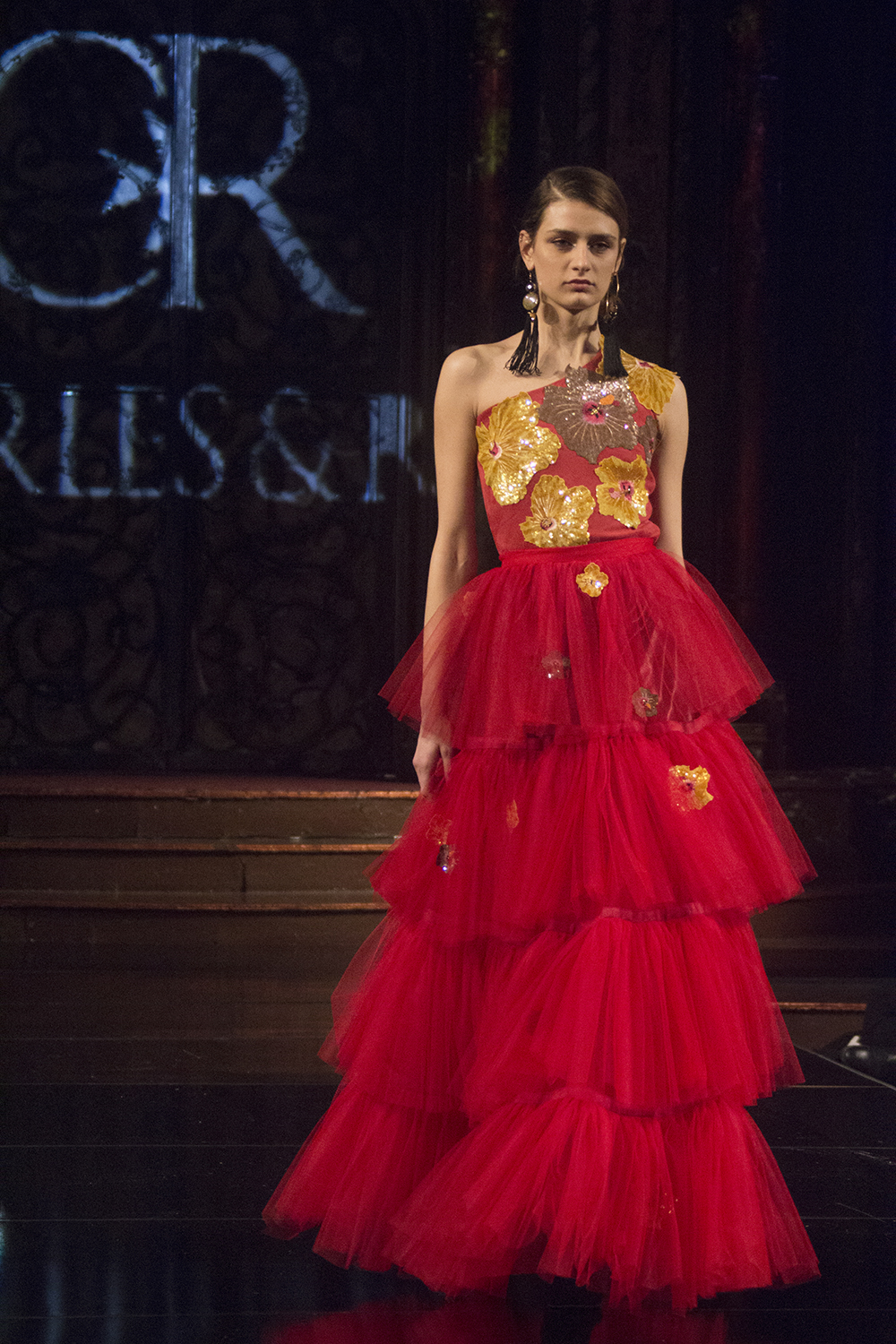
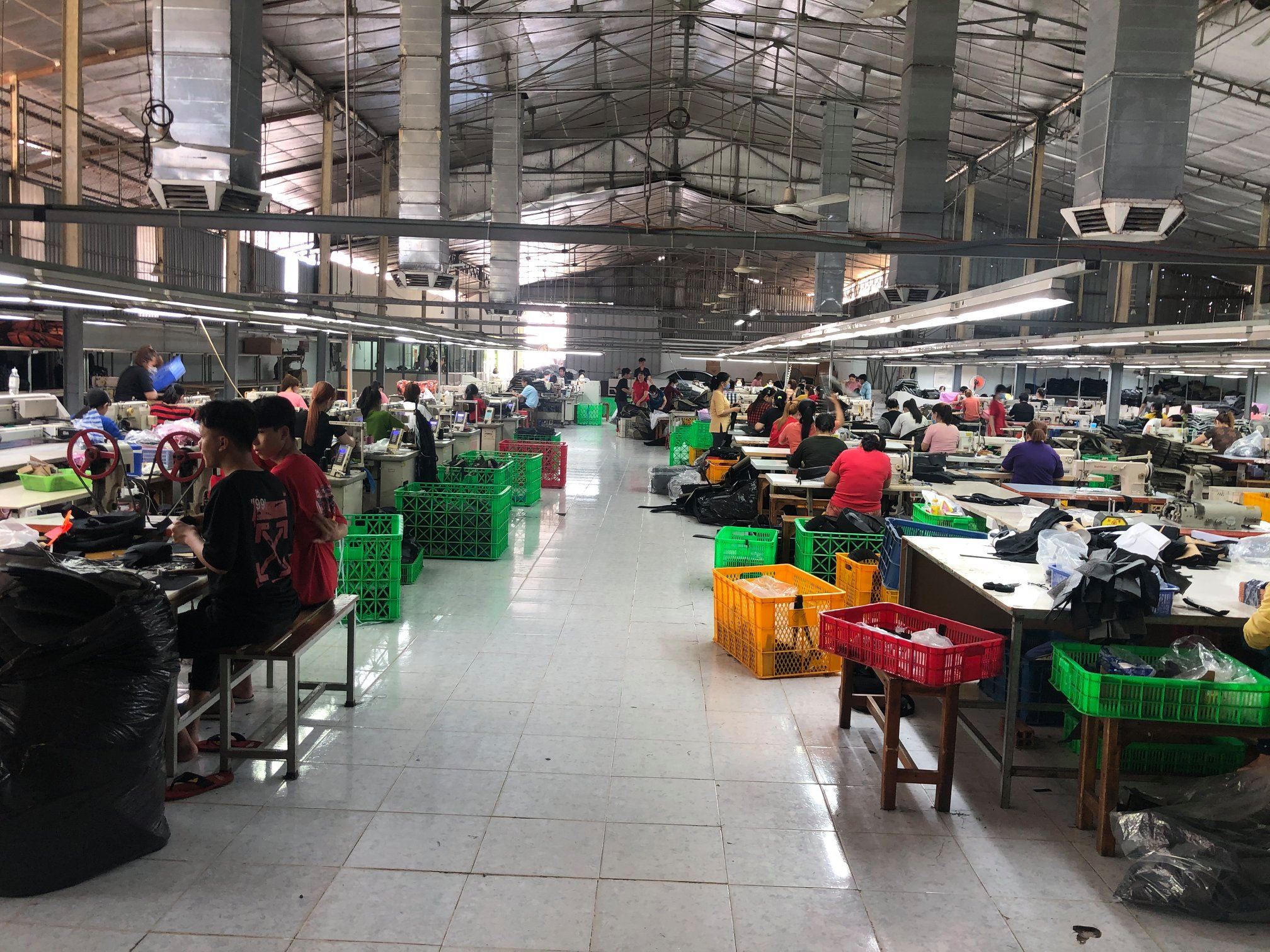
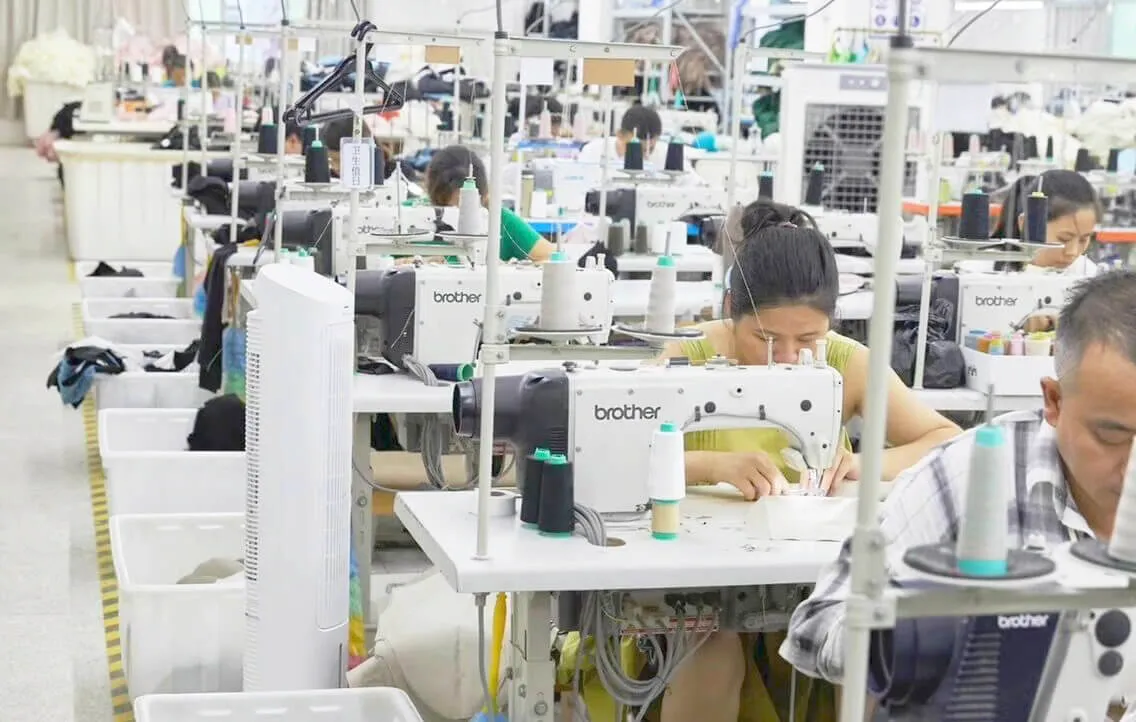
- Globalization and Outsourcing: The vast majority of clothing sold in America is manufactured overseas, where labor is cheaper and supply chains have been optimized for efficiency. The problem with simply chasing “cheap labor,” is that other developing countries are using the asset of “cheap labor,” to create a stable economy, with at least ONE sector, is able to be sustainable.
- While other industries can build from a stable economic sector, to ramping up sectors of toys, batteries, smart phones, electric cars, quantum computing, drones and arms. They do so with limited competition in each field – because the competition was culled by efficiencies. The fashion industry cannot force lack of choice onto consumers by simple “efficiency.” The more common a “style” or “look,” the more fleeting it is, and less likely it is to grow, but it also becomes limited by the perception of “sameness.”
- Rising Costs: The cost of labor, rent, and compliance with environmental and labor standards in New York is among the highest in the world, threatening the viability of domestic production. Fleeing the idea of compliance for an apparel market, without focusing on the regulation of rent (which is the HIGHEST cost, and cannot gain efficiency), is short-sighted.
- Supply Chain Disruptions: The post-pandemic world has seen persistent supply chain challenges, from shipping delays to shortages of textiles and trims, which disproportionately impact small producers and designers trying to keep manufacturing local.
- Technology and Digital Transformation: The rise of digital fashion, including virtual showrooms, 3D design tools, and the metaverse, is both an opportunity and a threat—demanding new skills and investments that not all players can afford.
Challenges for the Fashion Industry
Producers: Navigating Economic and Logistical Hurdles
For producers, creating fashion shows like Erik Rosete, the landscape is both inspiring and daunting. On one hand, there is a renewed interest in ‘Made in the USA’ labels, driven by consumer demand for ethical production and transparency. On the other, the infrastructure that once underpinned the Garment District has dwindled, and the cost of reestablishing facilities is steep.
Production companies manufacturing for a competitive and shifting market, must also balance the need for speed-to-market with quality and innovation. American manufacturing, if it hopes to compete, must offer more than just proximity—it must deliver on sustainability, advanced craftsmanship, and customization.
One group (marketing producers) can find other markets, the other group (manufacturing) rises and falls with the infrastructure invested in what they do.


Global Competition: The New Reality
Competition is fiercer than ever. Chinese and Southeast Asian manufacturers offer speed and scale at prices American factories struggle to match. European fashion houses wield centuries of heritage and branding power. The digital revolution has lowered barriers to entry, allowing new players from emerging markets to reach global audiences overnight.
In response, New York’s fashion community is seeking to differentiate itself through:
- Sustainability: Emphasizing environmentally conscious materials and practices, including upcycling, zero-waste design, and closed-loop manufacturing.
- Inclusivity and Diversity: Championing designers and models from a broad spectrum of backgrounds, expanding the narrative of American fashion.
- Innovation: Integrating technology into both design and production, from 3D printing to AI-driven trend forecasting.
Is It Worth Bringing Fashion Production Back to the United States?
The debate over reshoring fashion production is complex. The arguments in favor include:
- Shorter Lead Times: Proximity to the market allows for greater flexibility and responsiveness to trends.
- Job Creation: Reviving manufacturing could provide employment opportunities in cities where industrial jobs have disappeared. Along with the TYPE of jobs and industry.
- Quality Control: With tighter oversight, brands can better ensure ethical and sustainable practices.
- Brand Value: ‘Made in USA’ can carry a cachet that appeals to certain consumers, especially in the luxury and streetwear segments. Although, this Brand, will not have the value of luxury segment until a more significant craftsmanship is developed and recognized consistently.
- National/Local Political and Economic benefits: America faces an increasing schism between populations that are highly educated, but dependent on big corporations to hire them, and less educated population that struggles to find service jobs, or a dependency on government benefits. Large corporate interests may pay, but they won’t pay everyone, and they are looking to divest themselves of labor in all areas.Is it better to find ways for governments to invest in creating both a skilled labor forces for employment and social stability, rather than dealing with the government costs in the future?
- There are many industries that can thrive on diverse tastes and interests, but the production of fashion items, is something that doesn’t demand high cost start-ups, but they still need help.
However, the barriers are significant:
- High Costs: Labor and real estate costs make American-made goods more expensive, limiting their market share. But as with any industry, labor, is only expensive if the product is not worth the costs. Real estate costs in less expensive areas exist, but transportation for the labor market, doesn’t.
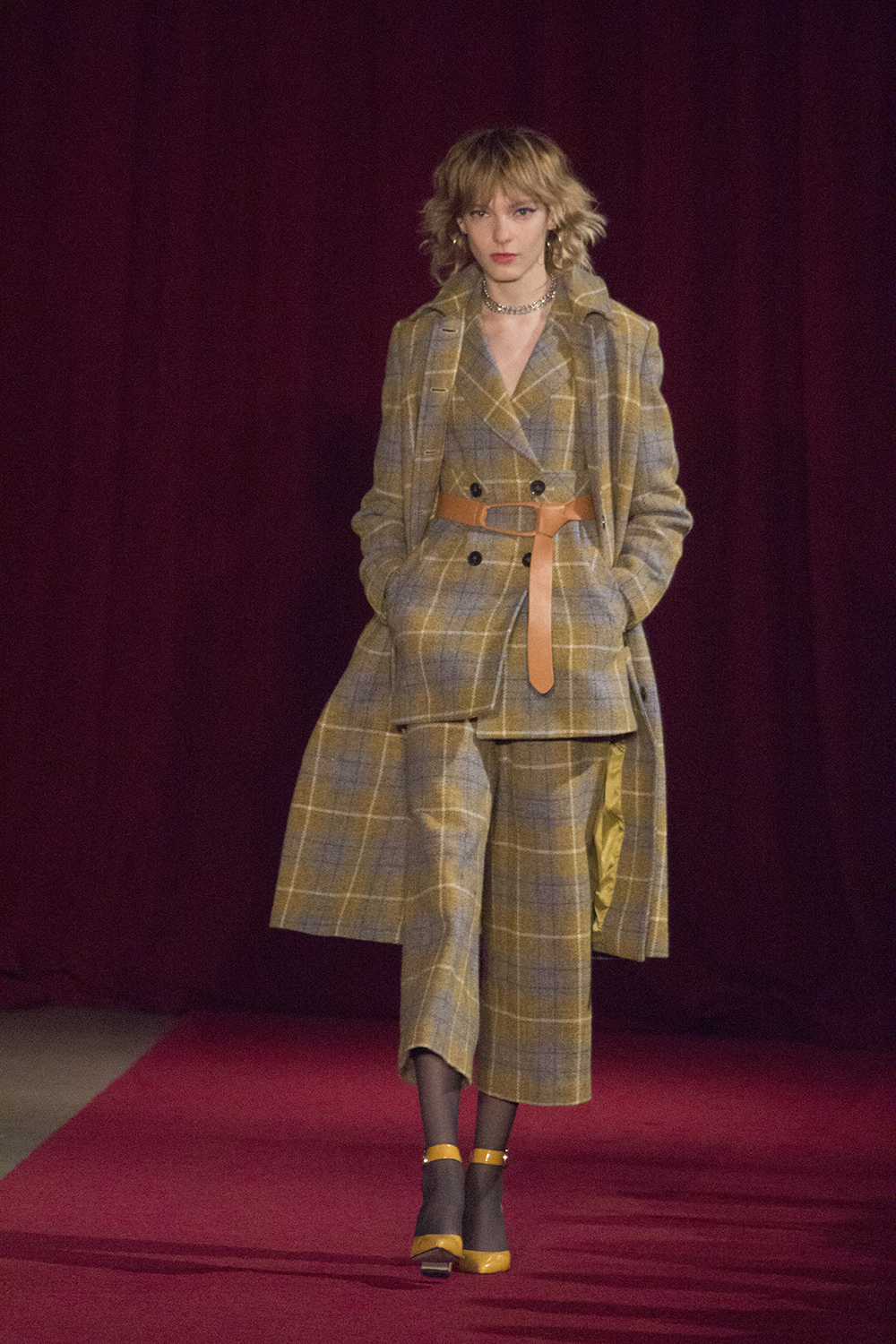
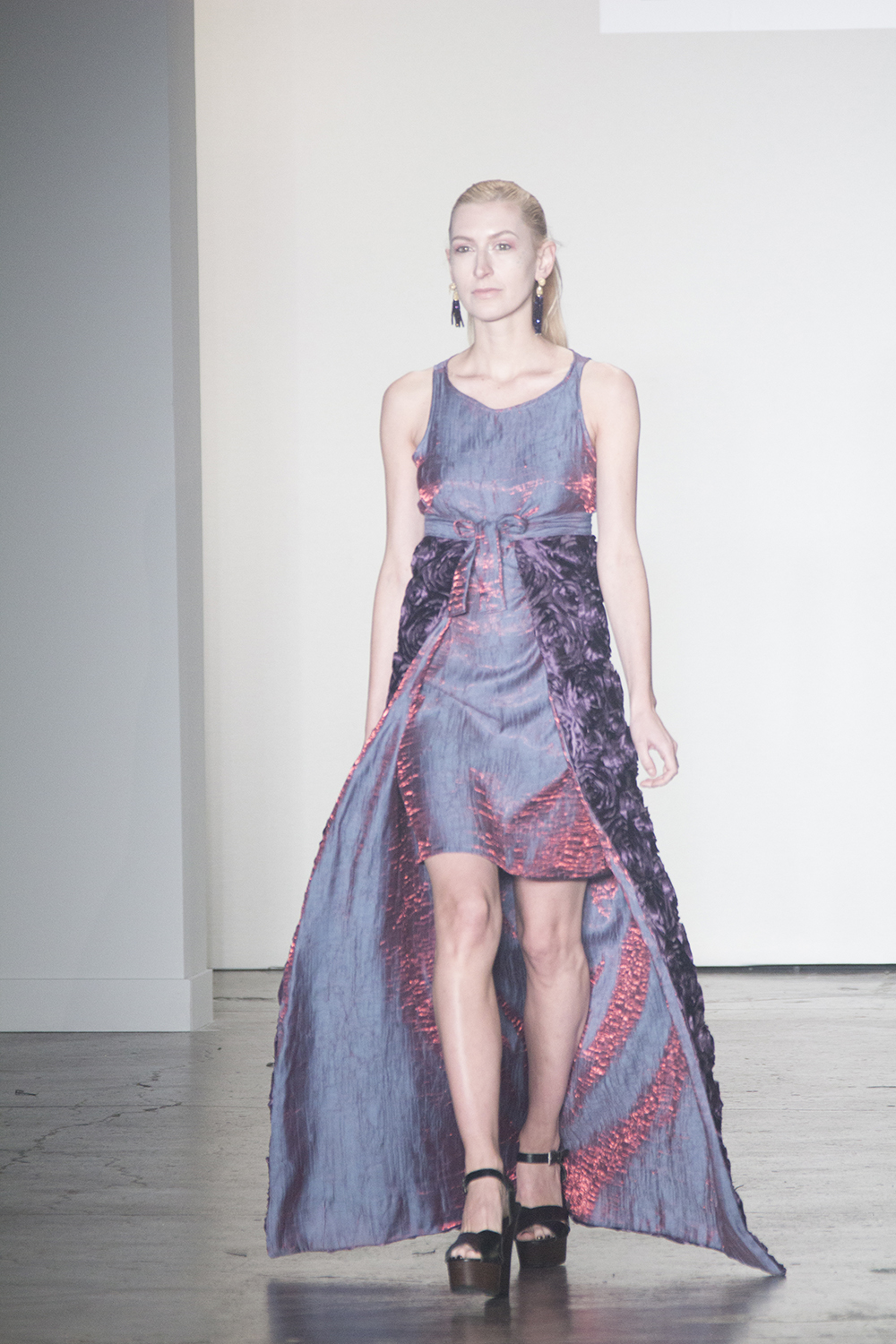
- Skill Gaps: The decline of domestic manufacturing means fewer skilled workers are available, and training takes time. In experience with items in the vintage market, the skill of production existed in the 1950s and 1960s. But the people who crafted the pieces most valued in vintage markets, were made by Jewish, Italian, and Irish immigrants. Current immigrants have a more difficult time apply skills already learned, to a marketplace that is substantially reduced.
- Scale: The massive production runs required by major retailers are still easier to achieve overseas.


Conclusion: A Strategic Reinvention
For New York—and, by extension, America—the future of fashion lies in strategic reinvention, not nostalgia. Rather than trying to replicate the past, the industry must leverage its strengths: creativity, diversity, innovation, and educational excellence.
By investing in sustainable practices, fostering talent from all backgrounds, and integrating cutting-edge technology, New York can remain a global fashion leader. Marketing producers like Erik Rosete who champion emerging voices, and educational institutions that reimagine fashion’s future, will play a critical role.
Is it worth bringing fashion production and design back to the United States? For certain segments, absolutely—especially where quality, branding, and sustainability matter most. For others, global integration will remain essential. The key is not to compete on price alone, but to offer something the rest of the world cannot: the unique spirit and vision of American fashion.
But realistically, the fashion industry is a high profile example of manufacturing production leaving a “highly industrial country” and leaving the country to become a “developing country.” Essentially a “third world” nation. Essential to growth, for any country, is stability, and stability in society is based on finding (or allowing) a labor market to exist. If it doesn’t, that labor market becomes a burden on the nation. The reason China invested in the “infrastructure” of putting everyone to work, was for the country to grow. When they, like the United States, began focusing solely on the efficiency of industry – without reinvesting in labor-intensive industries, their unemployment, particularly among the young, began to rise.
In this sense, the answer is not a simple yes or no. It is an ongoing evolution—one shaped by creativity, resilience, and an unwavering belief in the power of reinvention. But a intentional, political and economic decision, is to look forward, by building stable industries that are sustainable, not only in the products produced, but in the people and process of producing those products.
In THE most diverse society in the world, the New York fashion industry has the ability to draw on international talents, and techniques, styles, visions that are fluid, evolving and inspirational to the rest of the world.




NYFW AW18 Style Fashion Week Underground Fashion
NYFW AW18
Style Fashion Week – Underground Fashion
Chicago Playground H33M Shay Kawaii Dertbag
Verve Fashion Shows
Style Fashion Week is a producer of fashion events that landed in New York, but travels to Los Angeles, Palm Springs, Las Vegas, Miami and Dubai. Their overall goal is to produce events, with the participating designers as incidental to the shows.
At their Underground event, they featured Chicago Playground, Shay Kawaii (swimwear), H33M and Dertbag and was billed as a streetwear presentation.
The venue and presentation was impactful, but with an evening audience ready for a club setting, only the designers were serious about the showing.
Street Fashion holds a particular place in the apparel industry. Sold mostly through affordable and lower price point outlets, they are produced in the greatest quantity in the apparel business. They attempt to capture thehearts, minds and attentions of the young and often, most impatient andenigmatic of audiences.
But the phrases, thoughts and focuses of youth can be fiery, profane and provocative – all things that production corporations trying to gain the greatest sales volumes are trying to avoid.
Street fashion that avoids provocation, often has no place to go. They will not get noticed or influencers or a point of view. Their buyers will be price-point shoppers influenced primarily by low prices.
Streetwear, like all fashion, still has a thread weaving through the line. Unravel, or John Elliot, Malatesta and Born Dead. Their strength is in either the style mix or graphics rather than sales.
– Phillip Wong –
Chicago Playground
H33M
Shay Kawaii
DertBag
NYFW AW18 Art Hearts Fashion Charles And Ron Fernando Alberto Domingo Zapata
NYFW AW18
Art Hearts Fashion
Charles and Ron Fernando Alberto Domingo Zapata
Verve Fashion Shows
The Charles and Ron line is referred to as a “lifestyle” brand. Wearable, fluid, colorful, it reflects an Afro-Mediterranean sensibility of their Maltese origins. There is a distinct awareness of accessorizing their caftans, tunics and shifts with matching belts and handbags. While Malta is considered a part of Europe, it’s history and location has strong North African and Roman roots. Charles and Ron’s color combination are much closer in alignment in color to Africa and in design to the warmer climates of flowing, open garments in blocky shapes that are pulled into shape by their accessories.
- hillip Wong –
Fernando Alberto is designs in Los Angeles, produces in Mexico and Spain and is a third generation fashion designer. Although he has a deep background in fashion, his designs, choice of textiles and prints ielegant, modern and bold at the same time. He has an understanding of how tmix boldness with subtlety, how to use complex prints in specific shapes anwhen not to.
His background is reflected through his prism of nuance and taste. There is bold, unapologetic sexiness coupled with diaphanous subtle statement. The choice of religious iconography printed on some the textiles is both referential to his style and a historical context.
– Phillip Wong –
Domingo Zapata isn’t a fashion designer, but his artistry has been on display globally and his association with the AIDS Healthcare Foundation gave a presentation of original graffiti-like work on naked bodies, pieces of clothing and a wide range of participants. In an overt reaction to the Trumpian call for nationalism and xenophobia, men in gowns, kids, men and women in underwear, a pregnant woman, people of all sexual preferences and gender
identification, all with inclusive messages painted by Zapata, were met with
standing ovations and cries of welcome and support.
-Phillip Wong –
NYFW AW18 Art Hearts Fashion Mac Duggal Lulu Harazin Lisa Thon Weiling Chang
NYFW AW18
Art Hearts Fashion
Mac Duggal Lulu Harazin Lisa Thon Weiling Chang
Verve Fashion Shows

Mac Duggal once again showcased a collection worthy of a praise during the Art Heart NYFW 2018. Following his strong presence from last season, Mac Duggal integrated a message of inclusion and body positivity with his Spring/Summer 2018 collection. The runway was embellished with dresses elaborate in details and bold hues of different shades. There were asymmetric cuts and implementations of lace, beadings, fringe, and more perfectly accentuating the body of the models. This dramatization of details complemented the moody setting inside the gothic synagogue in which sat a sea of a star-studded audience. Amidst the crowd however, the combination of plus size models and regular models who carried the looks seemed to be the biggest stars of them all.
The variety is what first propelled Mac Duggal into becoming a fan favorite for wearable dresses. Dresses and models on the runway showed a fuse of positivity and regularity that should be more commonly implemented in current runways. With this collection pursuing a controversial topic, it seems that Mac Duggal successfully exhibited the many ways glamour can be displayed, not only on the dresses but also for the wearer.
-Leanna Franco-


A depiction of elegance and intricacy, Lulu Harazin brought a piece of her roots to stun the audience in Angel Orensanz Center. For her Spring/Summer 2018 collection, Lulu Harazin focused on haute couture and kaftans, which were a huge trend of the past. In the mid-19th century, kaftans emerged in full storm, taking over many Vogue covers with high-fashion houses such as Christian Dior and Halston. These adaptations heightened the interest in the exotic prints and embellishments as well as the loose-fitting shapes during the time. Fast forward to the 21st century, kaftans are back exuding the ultimate Bohemian grace with embellishments glistening with every step.
Lulu Harazin’s collection showcases these familiar styles while also putting haute couture on the forefront. Using fabrics and materials from all over the world, Harazin was able to create patterns of eastern influences to walk alongside western silhouettes in perfect harmony.
– Leanna Franco –


Lisa Thon is one of the established fashion designers designing in Puerto Rico (Stella Nolasco is another), but Thon has been showing in New York since 2006 and she was well received with her hippie (or bohemian) prints and oversized hats giving an island sensibility to her collection.
This collection was about comfort and flow, reflecting a culture of island rather than the ice of winter. Some of the more interesting embellishments were long fringe coming from the shoulders of one dress, print belts on solid colored dresses, and dresses and tops created from ties sewn together in strips.
Bright colored faux fur coats layered over gauzy, light dresses and brightly patterned one piece shapes. Easy to see, easy to wear, and well received.
– Phillip Wong –


The Weiling Chang collection at Art Hearts is beautifully designed but a curious mix. All pieces had an elegance, but classic business wear, along with evening, jumpers, strappy tops with a suggestion of fetish, were exhibited with motorcycle jackets, trench coats, and waist coats.
While the placement of all these pieces was curious, the styling works with each outfit and it struck me that small designers are only able to show a piece or two at a time – while their creativity and thoughtfulness of design wants to do much more.
– Phillip Wong –


NYFW AW18 Art Hearts Fashion Candice Cuoco Danny Nguyen Willfredo Gerardo
NYFW AW18
Art Hearts Fashion
Candice Cuoco Danny Nguyen Willfredo Gerardo
Verve Fashion Shows

Candice Cuoco has shown globally and has appeared in television competitions. Her presentation is bold, provocative and assured. Using veils like Mardi Gras masks and she uses leather strapping and collars that have a fetish feel. But Cuoco’s sensibilities are complex, a liberal use of leather based pieces and printed fabric layers, with the floral suggestions of Aubrey Beardsley sketches or an Oscar Wilde tale, her work has an 1890s or 1980s cultured ennui. While the apparel industry represents designers as unique individuals while trying to sell hundreds and thousands of units, Cuoco refers Betty Page, Patricia Field in a highly stylized line which demands attitude and assurance for a woman to wear.Cuoco designs for blatant décor but always an underlying sexuality.


Danny Nguyen is bold, direct and distinctive. His mustache reminds us of Salvador Dali, but his line has a stronger men’s side than women’s.His women’s line uses body conforming pieces with beautiful flowing iridescent fabrics to frame the figure. The men’s line uses a wider range of fabrications,colors and textures on blazers, and trousers that radiate both elegance (which can also be seen in his women’s line) and wit.


Willfredo Gerardo designs for mermaids. With Hollywood-inspired form-fitting dresses in aquamarine exaggerated dropped sleeves, flowing trails and plunging necklines, his work is made for runways and red carpets. Coming from North Hollywood, you can see references in his transparent body shapes, the workmanship of sequins, filigree and iridescence, to Bob Mackie, and earlier, Adrian, Travis Banton and EdithHead.
– Phillip Wong –






NYFW AW18 Art Hearts Fashion - Lily Marotto Eva Habashi A Modo Mio
NYFW AW18
Art Hearts Fashion
Lily Marotto Eva Habashi A Modo Mio
Verve Fashion Shows

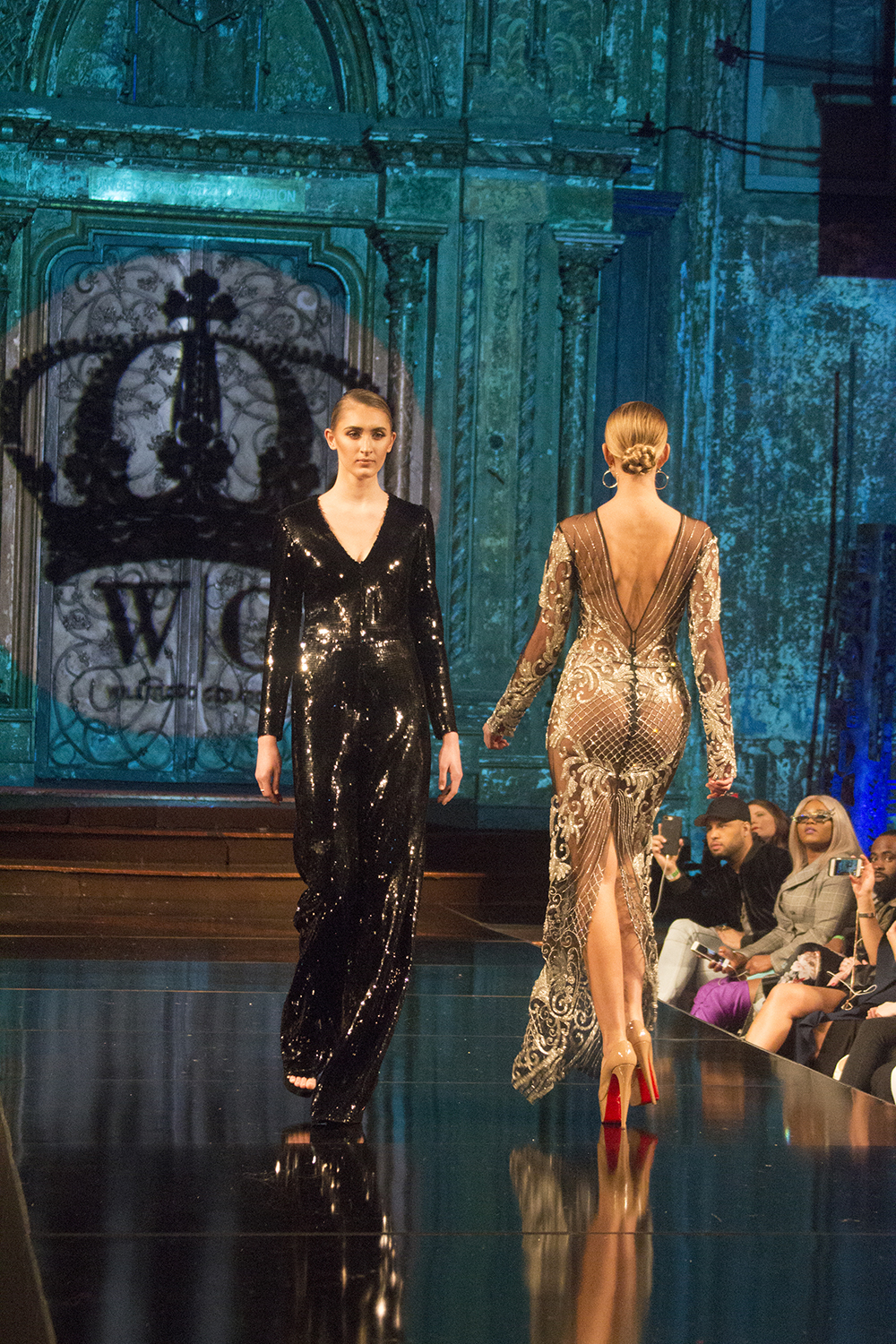
Lily Marotto’s line, shown at Art Hearts group shows emphasized beautiful prints and custom printed fabrics. A wide range of themes featuring dancers and skaters, goddesses and varying exotic birds, the line suggests a complexity blending shape of each dress working with the artwork or print designated for that item.
Lily Marotto has lived and worked in Paris, London, Milan and New York, Her eclectic interests are reflected in the artists she collaborates with.


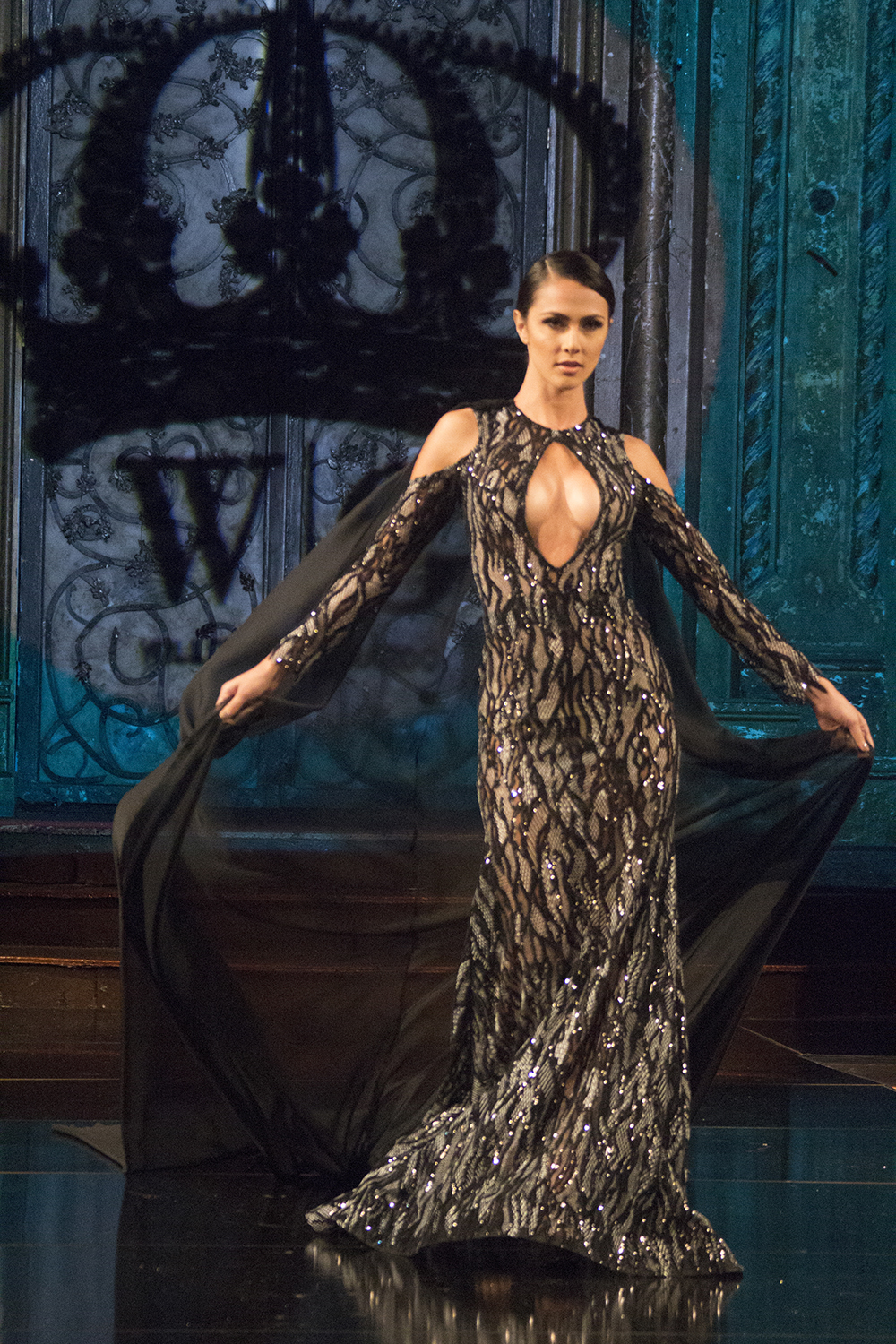
Egyptian designer Eva Habashi uses different items on a small line that has classic forms, but a mix of lace and tulle to create wider skirting, a softer, see-through feel and molded breastplates that create strong defined shapes and sometimes suggest Roman military forms. Some of the gowns and cocktail dresses have a traditional feel that contrasts.


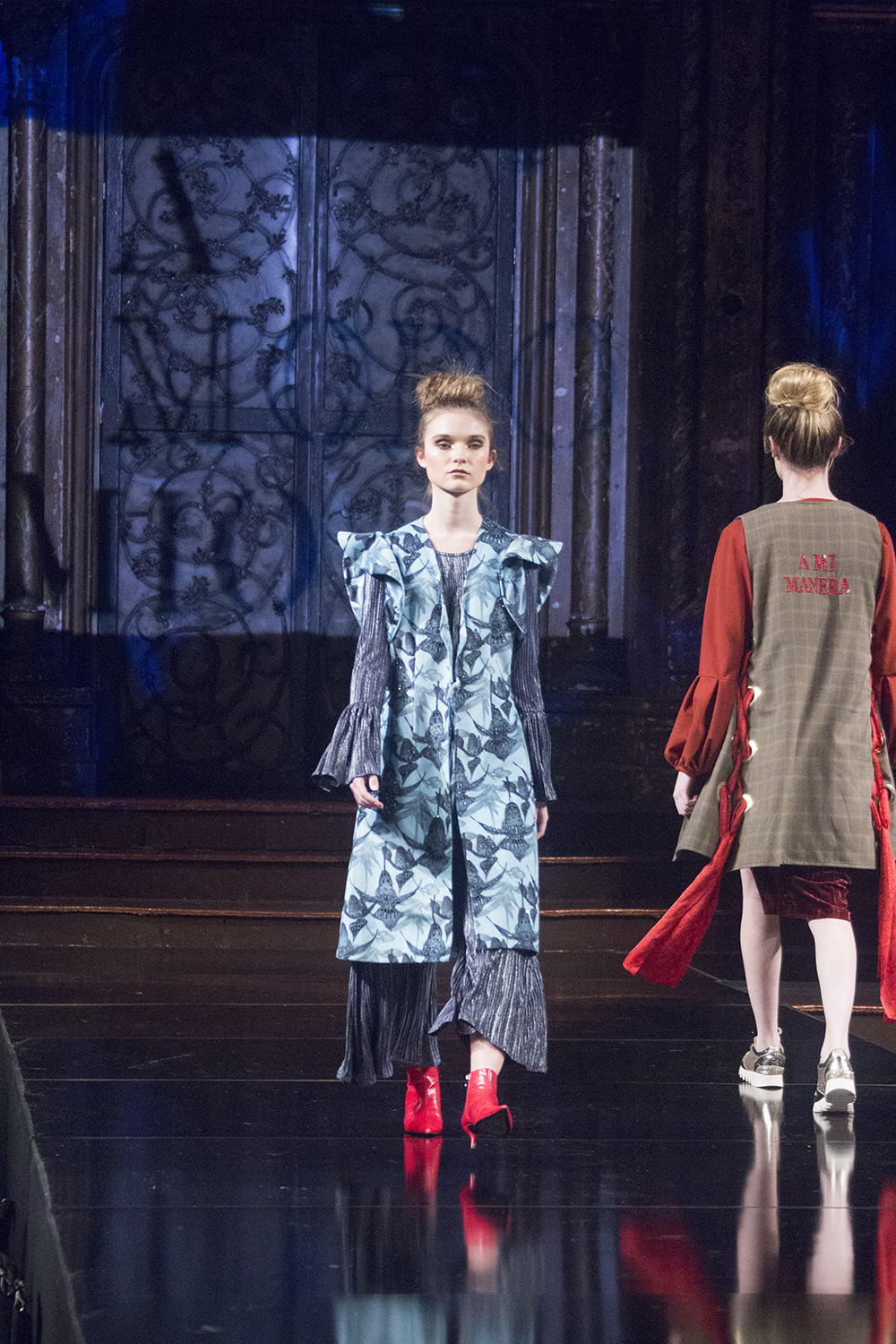
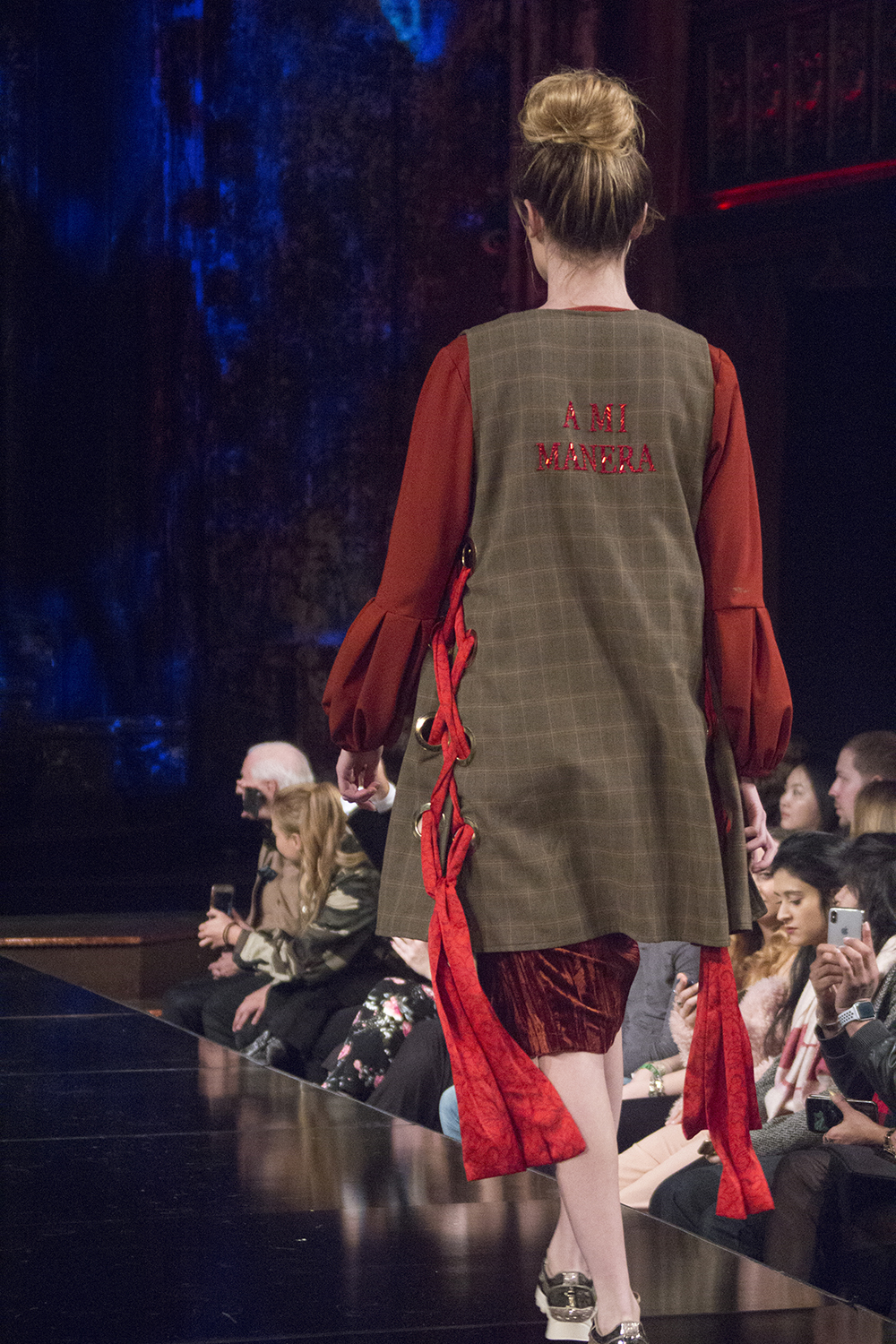
A Modo Mio is a Colombian line designed by Francesca Sesana.Her line is a mix of textures and layers with transparent skirts and overlaying jackets or tops. Every piece seems to show a combination of flamboyant street sense with daring laces, tulles or mesh layers. She uses floral patterns, camo, denim and leather jackets that establish boldness.
– Phillip Wong –




NYFW AW18 Art Hearts Fashion
NYFW AW18
Art Hearts Fashion
Verve Fashion Shows
Just as each designer approaches the design and fashion
industry (and their own businesses) differently, group showings are approached
by the show producers differently.
Some want to benefit the fashion industry (and industries that go along with it), while others just want to make money by having a show that they don’t have to pay for. The fact is, a fashion line launch can be astronomical for a small
designer. But it can also be an efficient way to introduce a line to press, and might be the only way a designer’s line can be seen.
Producers like Kelly Cutrone’s People’s Revolution and the Council of Aspiring American Fashion Designers (CAAFD), curate the work of designers and try to show lines that are distinctive, different and producible. Other designers showing with Art Hearts Fashion, The Society Fashion Week, and the Social Network’s Underground Fashion reach a combination of consumers and press.
Verve Fashion Magazine tries to see as much as possible to get new and emerging and transitional lines on our radar.
There are also questions of “What is Fashion?” and “What is Art?” and we’ll discuss that the same way The Food Network expanded the concept of food, diversity, differences and how they impacted the food industry. Food isn’t just packaged food in the frozen food section, but has expanded geometrically to encompass a wide variety of access points, distributions, taste and health interests, economic and grower’s limitations.
Our interest is in the highest of the high-end iconic design houses, but we are interested both in design and accessibility to a global market.
So our fashion looks is a mix of design and shill. This was our approach to group shows.
– Phillip Wong –
NYFW AW18 Group Shows -
NYFW AW18
Group Shows
Art Hearts Fashion/CAAFD/Style Fashion Week/The Society
Verve Fashion Shows

There were a number of group shows during New York Fashion Week Autumn/Winter 18. Some of the shows were simply taking advantage of the excitement of “fashion” coming to New York at a fixed time, but some group shows try to introduce new, emerging, or unknown designers to a larger audience.
Just as each designer approaches the design and fashion industry (and their own businesses) differently, group showings are approached by the show producers differently.
Some productions want to benefit the fashion industry (and industries that go along with it), while others just want to make money by having a show that they don’t have to pay for. The fact is, a fashion line launch can be astronomical for a small designer. But it can also be an efficient way to introduce a line to press, and might be the only way a designer’s line can be seen.
Producers like Kelly Cutrone’s People’s Revolution and the Council of Aspiring American Fashion Designers (CAAFD), curate the work of designers and try to show lines that are distinctive, different and producible. Other designers showing with Art Hearts Fashion, The Society Fashion Week, and the Social Network’s Underground Fashion, reach a combination of consumers and press.
Verve Fashion Magazine tries to see as much as possible to get new and emerging and transitional lines on our radar.
There are also questions of “What is Fashion?” and “What is Art?” and we’ll discuss that the same way The Food Network expanded the concept of food, diversity, differences and how they impacted the food industry. Food isn’t just packaged food in the frozen food section, but has expanded geometrically to encompass a wide variety of access points, distributions, taste and health interests, economic and grower’s limitations.
Our interest is in the highest of the high-end iconic design houses, but we are interested both in design and accessibility to a global market.
So fashion looks can be mix of design and shill. Our approach to group shows was to see everything and sort it out later. – Phillip Wong –
